Ever wonder what day-to-day life looks like when your neighborhood backs up to the Atlantic and your errands run right past a fishing pier? If North Myrtle Beach is on your radar, you’re not alone. You want a relaxed coastal lifestyle with enough convenience to live here full-time, plus smart guidance on local rules, seasonal rhythms, and risk planning. In this guide, you’ll get a clear picture of neighborhoods, amenities, short-term rental basics, golf cart rules, flood considerations, and what summer really feels like. Let’s dive in.
North Myrtle Beach at a glance
North Myrtle Beach sits at the northern end of the Grand Strand, mixing oceanfront condos, older beach cottages, and inland golf communities. The city’s population was about 18,790 in 2020 and is estimated around 20,800 in mid-2024, according to the U.S. Census QuickFacts for North Myrtle Beach. Many homes are used seasonally, so you’ll notice a blend of full-time residents and vacationers.
Home values vary widely by location. Recent snapshots place typical values around the high three hundreds, with a spread between oceanfront condos, canal homes, inland single-family neighborhoods, and golf-course communities. Your daily experience will feel very different block to block based on proximity to the beach and Main Street.
Climate is humid subtropical with hot summers and mild winters. Hurricane season runs June through November, and state climate summaries highlight rising coastal flood risk for South Carolina shorelines. For long-term planning, it pays to learn how storms, tides, and sea level trends affect ownership on the coast. You can explore statewide climate context in the South Carolina Climate Summary.
Neighborhood feel and lifestyle
Ocean Drive and Main Street
This is the lively heart of North Myrtle Beach. You’ll see beachfront condos, quick walks to dining and live music, and a classic beach-town vibe near the Horseshoe at Main Street. In season, expect more foot traffic, events, and a fun nightlife scene.
Cherry Grove
Cherry Grove anchors the northern tip with beach access, the well-known fishing pier, and canals that offer small-boat access. The pace is calmer than central Grand Strand hot spots, and many owners here prioritize marsh views, fishing, and low-key beach days. If you want ocean, pier, and creek access within minutes, put this pocket on your list.
Windy Hill and Crescent Beach
South-end neighborhoods feel more residential with easy access to groceries, services, and Barefoot Landing. You’ll find a mix of low-rise condos and single-family homes. Many year-round owners choose these sections for day-to-day convenience without the busiest boardwalk energy.
Barefoot Resort and golf communities
Inland, Barefoot Resort features four championship courses designed by Davis Love III, Tom Fazio, Greg Norman, and Pete Dye. These neighborhoods offer larger homes, planned amenities, and a suburban feel. If you picture mornings on the course and afternoons by the pool, this area delivers, and you can preview the golf landscape in this roundup of where to practice your game.
Day-to-day life and amenities
Beach access and the pier
North Myrtle Beach maintains many public street-end beach accesses with seasonal lifeguards. Work like beach renourishment can briefly close certain sections, so it’s worth watching the city’s updates on beach projects and access. The Cherry Grove Fishing Pier is a local landmark for walking, photos, and fishing.
Dining, shopping, and entertainment
Main Street and Ocean Drive concentrate live music, casual seafood, and dance clubs. Barefoot Landing adds waterfront dining, shops, and family attractions. The city also programs seasonal concerts and festivals that make the calendar feel full.
Golf, boating, and fishing
Golf and boating are core to the lifestyle here. Between Barefoot’s courses and canal or marina access, many owners plan weekends around tee times, pier walks, and charter trips. It’s very possible to structure your routine around the water.
Parks and community programs
The city invests in parks, a sports complex, an aquatic and fitness center, and a steady flow of community events. For an overview of programs and event highlights, scan the city’s guide to local amenities and events.
Seasonal rhythms you will notice
Peak season and traffic patterns
Visitor season peaks from late May through August. Expect heavier traffic on weekends, fuller parking lots at busy beach accesses, and more evening activity near Main Street. Outside of summer, the city quiets down and daily errands move faster.
Signature events to plan around
Summer concerts like Music on Main and fall favorites like the Irish-Italian International Festival bring concentrated crowds to Main Street and Ocean Drive. If you live nearby, you may plan dinner and parking with the event calendar in mind. City newsletters and alerts keep residents up to date.
Nighttime noise and fireworks
Local rules set quiet hours from 11 p.m. to 7 a.m., and fireworks are not allowed inside city limits. These provisions help keep noise manageable for residents. You can see the specifics in the city’s short-term rental rules and quiet hours PDF.
Practical homeowner guide
Short-term rental basics
Short-term rentals are allowed, but hosts need a business license and must follow local parking, trash, noise, and tax rules. The city monitors licensing and enforcement, and policy refinements are under study. Before you list, review the city’s Short-Term Rentals hub for how to apply and comply.
If you own a property used by visitors, note that sanitation adjusts seasonally. The city provides guidance on extra pickups during busy months and how to handle carts and bins. You can review the sanitation and pickup schedule before high season.
Golf cart rules
Golf carts are popular for short trips, but they are regulated. The updated city ordinance limits carts to roads with speed limits of 35 mph or less and daylight hours only. Check the city’s update on golf cart ordinance changes before you buy or bring a cart.
Flood zones and insurance planning
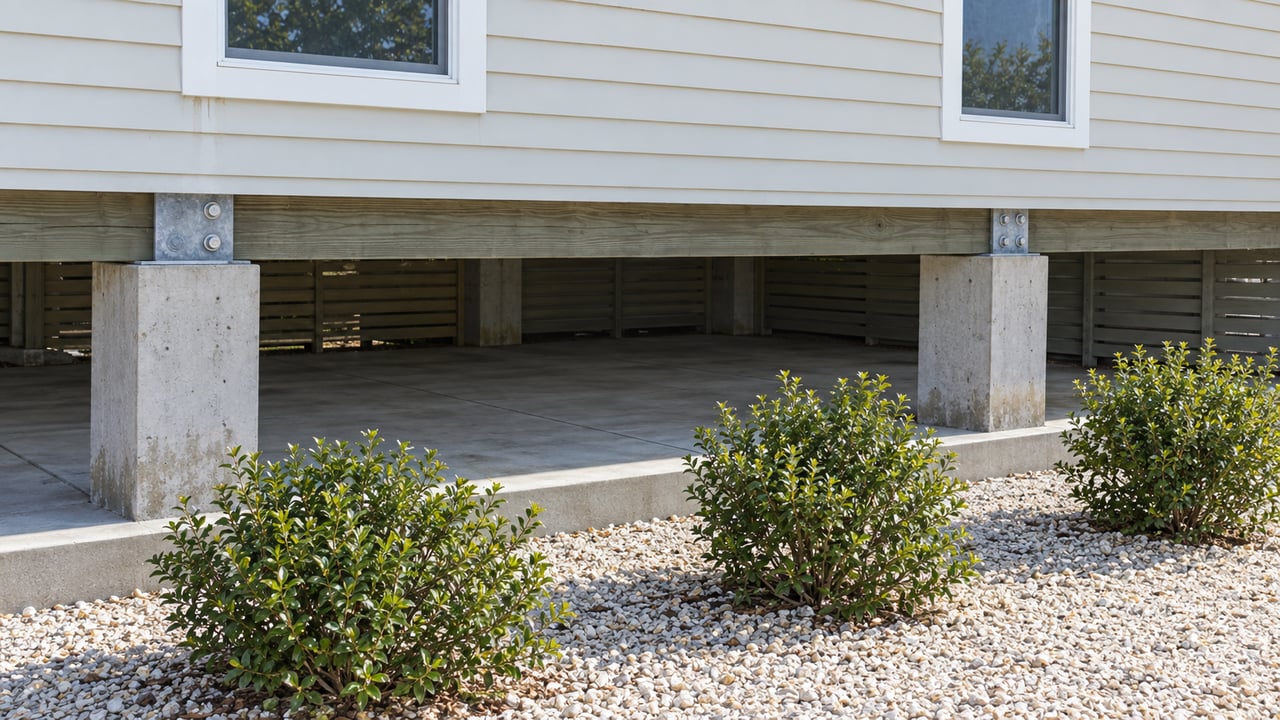
Many parcels in North Myrtle Beach sit in FEMA AE or VE flood zones. That can affect insurance costs, elevation requirements for improvements, and long-term risk planning. Start by confirming your property’s flood zone, Base Flood Elevation, and any elevation certificates. The city’s hazard portal is a helpful first stop: Know Your Hazard.
Beach renourishment and coastal projects are part of life on this shoreline. You may see short work windows that impact beach access, and long-range planning focuses on resilience. Staying informed is the best strategy.
Utilities, permits, and building
If you plan to remodel or rebuild, you will work with the City’s Planning and Development Department for permits, surveys, and elevation requirements. New survey standards and coastal construction rules help align projects with floodplain requirements. Check in early so your contractor plans to current code.
Taxes, fees, and city priorities
The city publishes budgets that outline millage, beach access projects, and water and sewer investments. These updates give you a sense of where municipal dollars go and what infrastructure is being improved. Property tax and insurance costs vary by property and flood exposure, so plan to review county tax records and insurer quotes for specifics.
Commute and access
Myrtle Beach International Airport is roughly 20 to 30 miles south, about 30 to 40 minutes depending on your exact starting point and traffic. In summer, add buffer time, especially around peak weekend hours.
What kind of home fits you
Here’s a quick way to think through options:
Oceanfront condos
- Pros: Direct beach access, lock-and-leave, strong rental demand in season.
- Consider: HOA dues, seasonal crowds, and elevator or parking logistics.
Canal or channel homes
- Pros: Water views, small-boat access, quieter side streets in many pockets.
- Consider: Flood and surge exposure, dock and bulkhead upkeep.
Inland single-family neighborhoods
- Pros: More parking and storage, easier access to services, often calmer year-round.
- Consider: Longer walk or cart ride to the beach compared with oceanfront.
Golf community homes (Barefoot Resort and similar)
- Pros: Planned amenities, course views, larger homes, community structure.
- Consider: HOA standards and dues, drive time to the beach.
How to make ownership smooth
Use this simple checklist as you plan:
- Confirm flood zone, BFE, and current elevation certificate for any home you buy. Start with Know Your Hazard.
- If you plan to rent, apply for a business license and review the Short-Term Rentals requirements.
- Save the city’s quiet hours and fireworks rules for quick reference.
- If you own an STR, check the sanitation schedule for seasonal pickup changes.
- Review the golf cart ordinance update before using a cart on city streets.
- During summer, plan errands and parking around concert nights and festival dates listed in the city event guide.
Ready to explore with a local pro
Whether you want a turnkey condo for seasonal use, a canal home for quiet mornings, or a golf-course property with room for guests, the right guidance matters. You deserve clear answers on flood zones, rental rules, neighborhood rhythms, and pricing by micro-location. If you want a trusted, data-informed partner with deep Grand Strand experience, connect with The Brian Piercy Group to map your options, compare neighborhoods, and unlock your next step.
FAQs
How much do homes cost in North Myrtle Beach?
- Typical values are often in the high three hundreds, with wide variation by location and property type.
Are short-term rentals allowed in North Myrtle Beach?
- Yes, with a business license and compliance with parking, trash, tax, and noise rules outlined on the city’s Short-Term Rentals page.
What are the quiet hours and fireworks rules in the city?
- Quiet hours run 11 p.m. to 7 a.m., and fireworks are not allowed inside city limits per the city’s rules PDF.
Can I drive a golf cart around North Myrtle Beach?
- Yes, but only on roads 35 mph or less and from sunrise to sunset, per the updated ordinance.
Do I need flood insurance in North Myrtle Beach?
- Many parcels are in AE or VE zones, so verify your flood zone and lender requirements and start with the city’s Know Your Hazard resource.
How busy does North Myrtle Beach get in summer?
- Late May through August brings peak crowds, especially near Main Street and popular beach accesses, with calmer conditions in shoulder and off-season months.