If you are drawn to places with character, Conway deserves a closer look. This Horry County city offers a different pace from the beach, with a riverfront setting, a compact historic core, and a housing mix that spans older homes and newer construction. If you are trying to decide whether riverfront or historic district living fits your goals, this guide will help you understand what daily life and home options in Conway really look like. Let’s dive in.
Conway's Riverfront Lifestyle
Conway’s identity is closely tied to the Waccamaw River. The city describes downtown as a riverside setting framed by historic structures and live oak trees, and official tourism coverage notes that Conway sits about 15 miles inland from Myrtle Beach while blending a scenic riverfront with a historic downtown. That combination gives you a small-city environment with easy access to the broader Grand Strand.
The centerpiece of the riverfront experience is the Conway Riverwalk. City planning materials explain that you can access it from Main Street, Second Avenue, or near Kingston Pointe Marina, and it was designed as a place to stroll beside the river and enjoy the scenery. If you picture morning walks, a casual evening by the water, or a simple way to spend time outdoors close to downtown, this is a big part of Conway’s appeal.
The nearby marina adds to that everyday convenience. According to city materials, the marina area includes boat docks, a boat launch, gasoline, a marina store, picnic facilities, riverboat tours, canoe and kayak rentals, and public restrooms and showers. For buyers who enjoy being near the water without living directly on the coast, that amenity package can make Conway feel active and practical at the same time.
Downtown Conway Feel
Downtown Conway is best understood as walkable in key areas, not fully car-free. Visit Myrtle Beach’s overview of Conway describes the downtown as walkable and notes that Riverwalk parking offers easy access to shopping, restaurants, and local history just a few blocks away. That means you can enjoy a pedestrian-friendly experience in the core while still expecting a broader small-city layout beyond it.
In daily life, that translates to a compact district where several attractions sit close together. The same tourism source highlights boutiques, specialty shops, cafés, restaurants, murals, the Horry County Museum, and the Theatre of the Republic. If you want a place where you can park once and explore on foot for a while, Conway’s downtown core delivers that kind of experience.
This is also part of what sets the city apart from more resort-focused areas nearby. Conway’s downtown experience centers on local streets, river views, and historic surroundings rather than a beachfront environment. For many buyers, that creates a more neighborhood-scaled feel.
Historic District Character
Conway has a strong preservation story, and you can see it in both the downtown district and nearby residential areas. The South Carolina Historic Properties Record identifies the Conway Downtown Historic District as the public, commercial, and social center of the city, with buildings tied to Conway’s growth from about 1824 to 1969. It also notes that many downtown structures were built after an 1897 fire destroyed several businesses.
That history matters because it helps explain why downtown Conway feels established and distinct. Much of the district includes vernacular brick or masonry commercial buildings, giving the area a grounded, traditional look. If you value places that feel shaped over time rather than built all at once, this is one of Conway’s strongest draws.
On the residential side, Conway’s historic character extends beyond downtown storefronts. The state historic survey of Conway describes the Conwayborough Residential Historic District as covering about sixteen city blocks and ninety-nine historic properties, mostly single-family homes. The survey also identifies architectural styles including Queen Anne, Tudor Revival, Colonial Revival, and Mission Revival.
One especially useful detail for buyers is that Conway’s most common historic residential form is the bungalow, especially homes built roughly between 1925 and 1940. That gives the historic core a more approachable, neighborhood feel instead of a streetscape made up only of large landmark homes. In practical terms, you may find a mix of architectural personality, mature streets, and smaller-scale residential patterns.
What Homes You Can Expect
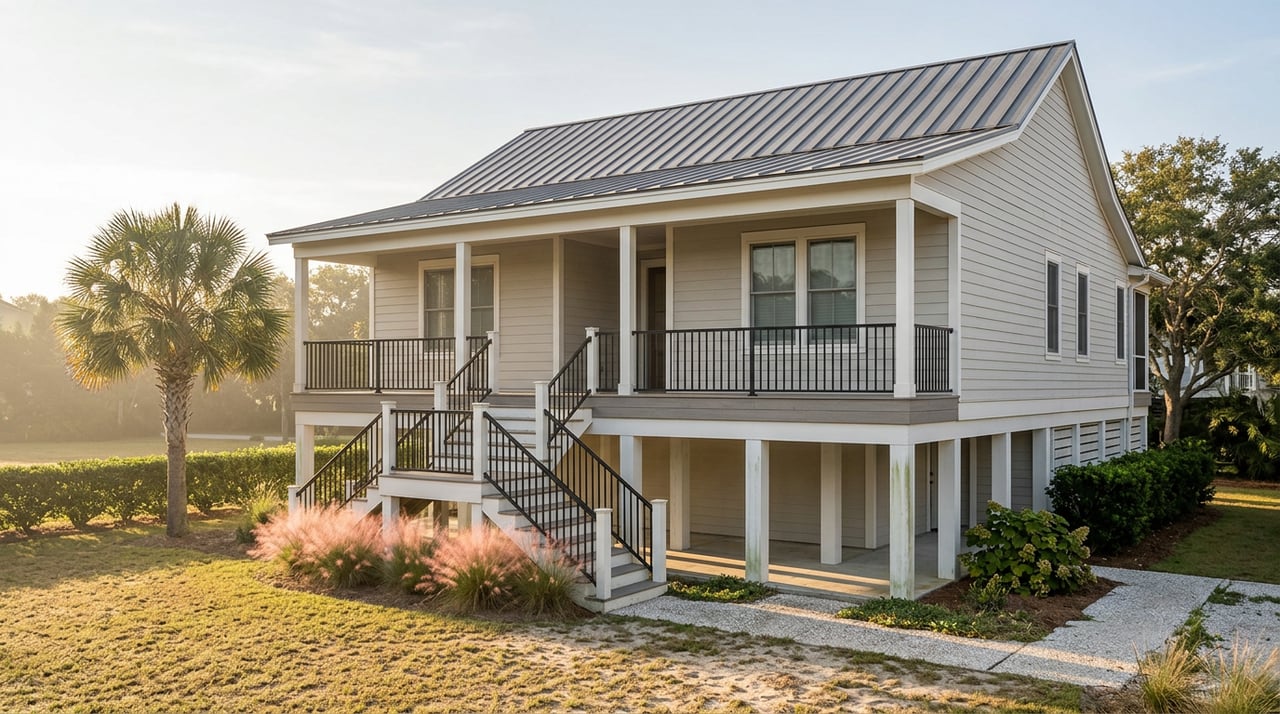
A common misconception is that Conway is only about historic homes near the river. In reality, the city combines preserved areas with active growth. The city reports record housing permit activity and a surge in residential building, which means the market includes both older neighborhoods and newer construction. You can read that broader growth context in the city’s Annual Comprehensive Financial Report.
For you as a buyer, that means choice. If you want architectural character and a closer connection to the historic core, older in-town neighborhoods may be a strong fit. If you prefer a more modern layout, lower maintenance features, or a newer home outside the historic center, Conway also offers options shaped by recent growth.
The best way to think about Conway is this: the historic river town is the heart of the city, but it is not the whole market. Around that core, you will find newer neighborhoods and infill development that broaden the available housing types and price points.
Conway Versus Myrtle Beach
Many relocation buyers compare Conway with Myrtle Beach, and the differences are meaningful. According to Census Reporter, the estimated median value of owner-occupied housing is $260,900 in Conway compared with $388,800 in Myrtle Beach. That gap helps explain why Conway often attracts buyers looking for a more value-oriented option close to the coast.
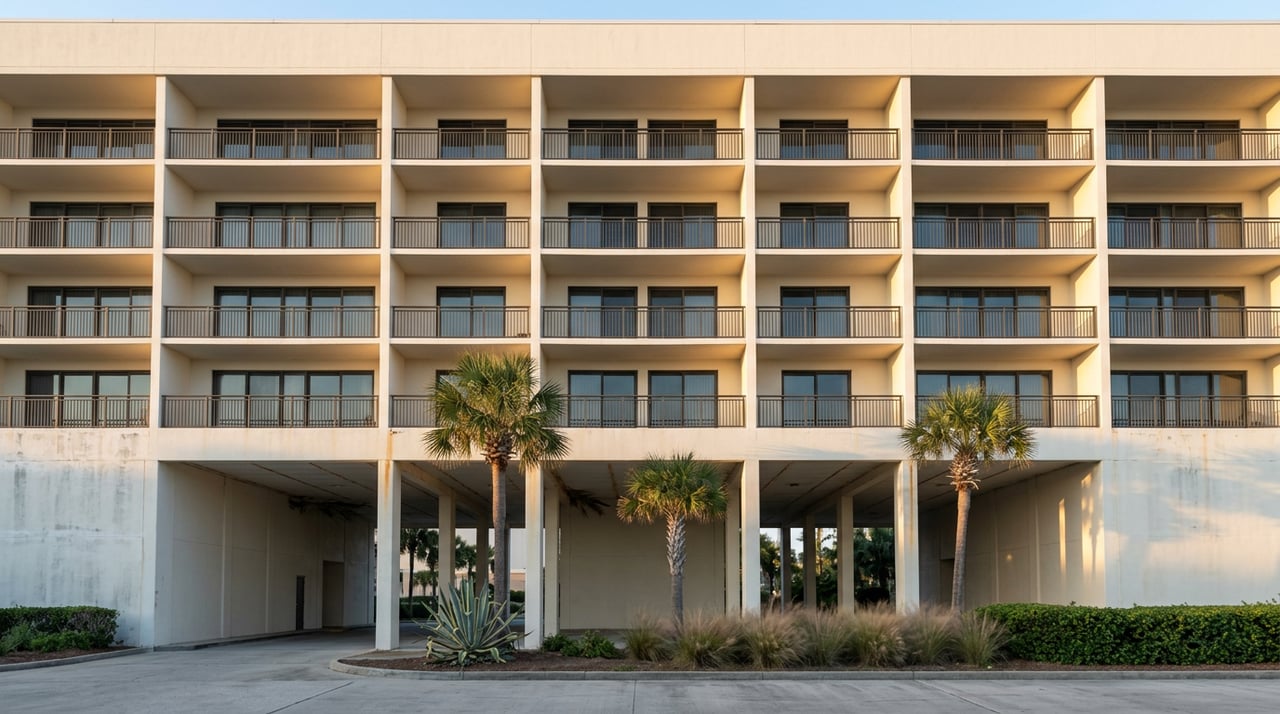
Housing structure also differs between the two markets. An ACS-based Point2Homes profile for Conway reports that 72.4% of Conway’s housing is detached single-family homes. The same source shows Myrtle Beach with a lower share of detached homes and a much larger multifamily presence, including a notable share of units in large apartment buildings.
For you, this comparison is less about which city is better and more about which environment fits your goals. Conway tends to read more like a neighborhood-oriented market with detached homes, historic areas, and a smaller-city feel. Myrtle Beach typically offers a denser coastal setting with more multifamily housing and a different lifestyle pattern.
Who Conway May Suit Best
Riverfront and historic district living in Conway can appeal to several kinds of buyers. If you are relocating from out of area and want to stay near the Grand Strand while avoiding a purely beach-centered setting, Conway may feel like a smart middle ground. You still have access to coastal amenities, but your day-to-day setting can feel quieter and more rooted.
It can also work well if you value charm and place-making. The combination of the Riverwalk, historic architecture, and a compact downtown gives Conway a clear sense of identity. That can be hard to find in markets dominated by newer, more uniform development.
At the same time, Conway is not only for buyers seeking older homes. Because the city has seen strong residential growth, it may also suit you if you want a newer property while staying connected to a city with a well-defined center. That flexibility is part of the appeal.
What to Keep in Mind
If you are considering Conway, it helps to match the area to your priorities rather than relying on a single label like “historic” or “riverfront.” Some homes place you closer to the walkable downtown core, while others give you more separation and a more suburban feel. Understanding that difference can help you focus your search.
It is also worth remembering that walkability is strongest in the downtown and riverfront core. If being able to access shops, dining, and the Riverwalk on foot matters to you, location within Conway matters a lot. A home elsewhere in the city may still offer convenience, but not the same pedestrian experience.
Finally, think about what kind of housing stock fits your comfort level. Historic homes can offer architecture and charm that newer homes may not replicate, while newer construction may appeal if you prefer more current layouts and materials. Conway gives you both, which is part of what makes the market worth exploring.
If you are weighing Conway against other Grand Strand options, local guidance can make the search much clearer. The Brian Piercy Group can help you compare riverfront, historic, and newer-home opportunities across Conway and the surrounding market so you can find the right fit for your lifestyle and goals.
FAQs
What is riverfront living like in Conway, SC?
- Riverfront living in Conway centers on the Waccamaw River, with the Conway Riverwalk, marina access, picnic areas, riverboat tours, and canoe or kayak rentals all contributing to the day-to-day experience.
What is the Conway Historic District known for?
- Conway’s historic districts are known for preserved commercial and residential architecture, including brick downtown buildings and single-family homes in styles such as Queen Anne, Tudor Revival, Colonial Revival, Mission Revival, and bungalow designs.
Is downtown Conway walkable for daily activities?
- The strongest walkability in Conway is in the downtown and riverfront core, where shops, restaurants, attractions, and the Riverwalk are concentrated within a compact area.
Are homes in Conway only historic properties?
- No. Conway includes historic neighborhoods as well as newer construction and infill growth, supported by the city’s recent surge in residential building activity.
How does Conway compare with Myrtle Beach for homebuyers?
- Conway generally offers a smaller-city, more neighborhood-oriented setting with more detached single-family homes and a lower estimated median owner-occupied home value than Myrtle Beach.
Is Conway close to Myrtle Beach for commuters or relocation buyers?
- Yes. Official tourism coverage notes that Conway is about 15 miles inland from Myrtle Beach, making it a practical option for buyers who want access to the coast while living in a different setting.