Ever wonder what Myrtle Beach feels like when you are not on vacation? That is one of the biggest questions buyers ask before they move, buy a second home, or invest here. The short answer is that daily life blends coastal convenience, seasonal energy, and a wide range of housing options. If you are trying to picture your routine in Myrtle Beach, this guide will help you understand what living here actually feels like day to day. Let’s dive in.
Myrtle Beach Feels Like a Resort Town
Myrtle Beach is not a huge city by population, but it lives bigger because of tourism. The U.S. Census Bureau’s 2025 estimate puts the city at 40,937 residents, while Horry County reached 427,551. That gap helps explain why the area can feel manageable in size yet still offer the activity and amenities of a much larger destination.
The city’s comprehensive plan makes it clear that Myrtle Beach operates with seasonal population swings. Public services and infrastructure are built to serve both full-time residents and visitors, and the city also notes that the area has become a draw for retirees. For you, that means daily life can feel very different depending on the time of year.
In quieter periods, routines often feel more relaxed. In busier months, the city picks up with more traffic, more beach activity, and more movement around the main tourism corridors. That contrast is part of what makes Myrtle Beach unique.
Weather Shapes Your Routine
Climate plays a bigger role in daily life here than it does in many inland markets. According to NOAA data for Myrtle Beach, the average annual temperature is 66.5°F. The city also notes that the Atlantic Ocean helps keep summers cooler and winters warmer than inland areas.
That affects how you plan your day. Outdoor walks, beach time, errands, golf, and time at local parks can stay part of your routine for much of the year. If you are moving from a place with harsher winters or more extreme summer heat, Myrtle Beach may feel easier to enjoy on a regular basis.
Traffic Depends on the Season
One of the most important parts of everyday life in Myrtle Beach is knowing that traffic patterns are not the same all year. Myrtle Beach Police says the Traffic Unit sees more collisions and dangerous driving during high-traffic months because population levels fluctuate throughout the year. In simple terms, some times of year feel much calmer than others.
That matters when you are choosing where to live. If you want quick beach access and enjoy being near the center of activity, you may like being closer to the oceanfront or downtown areas. If you want a quieter daily rhythm, a home a little outside the immediate tourist core may fit better.
Housing Choices Change the Lifestyle
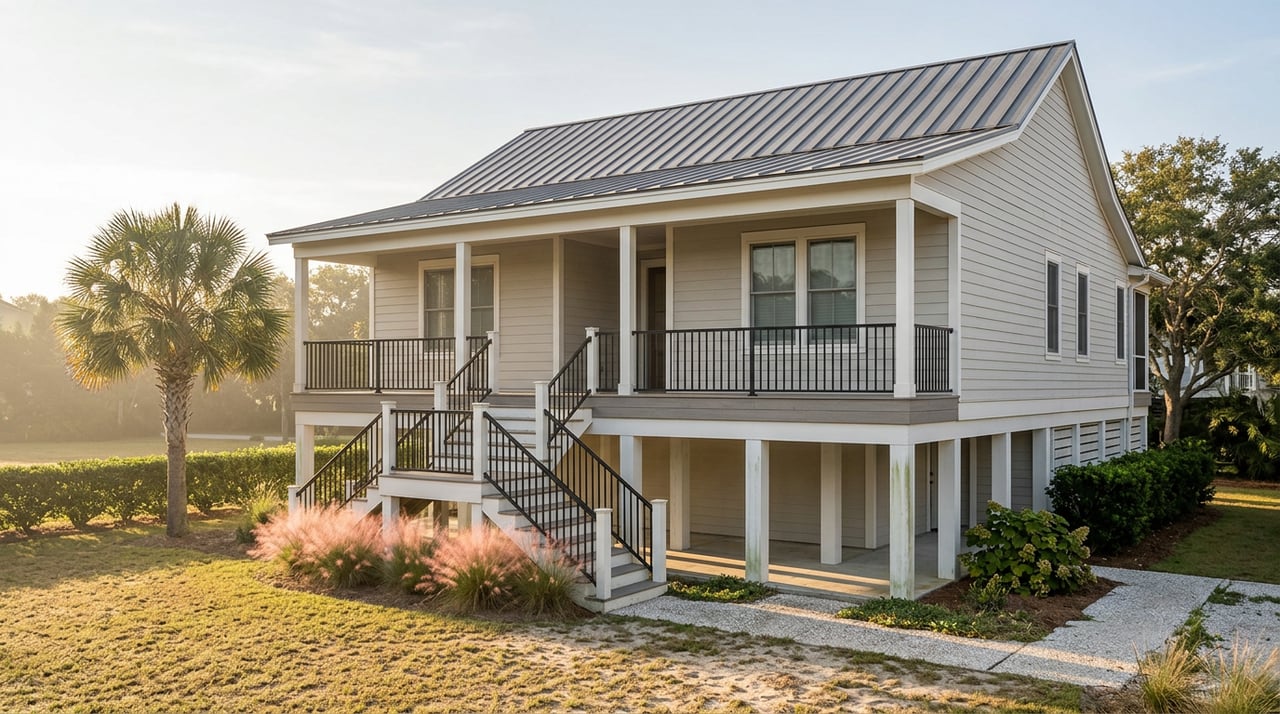
Myrtle Beach is not just one type of housing market. The city’s comprehensive plan shows a broad mix of homes, which is a big reason day-to-day life can look so different from one property to another.
According to the city, 32.9% of housing units are single-family detached homes. At the same time, 30% of occupied units are in multi-family buildings with 20 or more units, and 23.3% are in multi-family buildings with 3 to 19 units. The plan also reports 4,224 seasonally occupied units and 25,020 year-round units.
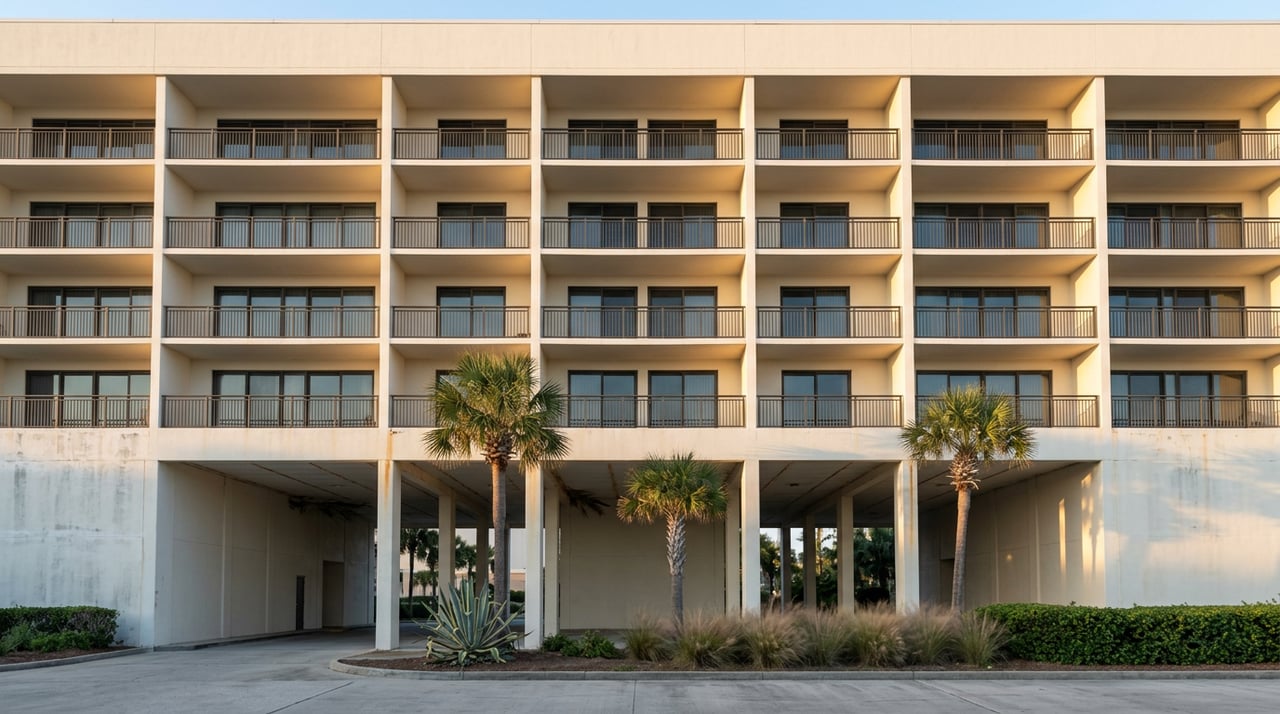
That means condo living is a major part of the local picture, especially in oceanfront and near-ocean areas. But detached homes remain a meaningful part of the market too, and the city permitted 635 new single-family residences during the fiscal year ending June 30, 2021.
Condo Life vs. Detached Home Life
If you choose an oceanfront condo or resort-style building, your day may feel more connected to beach access, shared amenities, and visitor activity. You may be closer to the boardwalk, downtown, and major entertainment areas. That can be ideal if you want a lock-and-leave second home, rental-friendly setup, or a strong vacation-style atmosphere.
If you choose a detached home, your routine may feel more residential and less tied to the resort core. You may trade immediate oceanfront access for a quieter environment and more traditional neighborhood feel. Neither option is better for everyone. It depends on the lifestyle you want.
Getting Around Myrtle Beach
Many residents still rely on cars, but Myrtle Beach is not limited to driving only. Coast RTA serves Myrtle Beach and much of the Grand Strand, and the city’s transportation planning supports a more multimodal approach that includes public transit, walking, bicycling, golf carts, air, and water transportation.
Coast RTA Route 10 runs daily from 8 a.m. to 8 p.m. through Myrtle Beach and serves places like the Myrtle Beach Convention Center, Broadway at the Beach, Coastal Grande Mall, Highway 15, and Futrell Park. Other routes connect to Myrtle Beach International Airport, Market Common, Grand Strand Regional Medical Center, and Conway. The Ivory Wilson Transfer Center sits on 10th Avenue North across from City Hall.
For many people, that means certain errands and destinations are more connected than you might expect in a coastal city. Still, cars remain important for many households, especially if your routine takes you outside the main transit corridors.
Commutes Are Relatively Short
If you work locally or travel around town often, commute times are worth noting. The Census Bureau lists the mean travel time to work at 17.7 minutes for Myrtle Beach city and 23.1 minutes for Horry County. That is relatively short by national standards and can make daily routines feel easier to manage.
Even so, location matters. Living near the beach, downtown, Market Common, or the airport corridor can make recreation and errands more convenient, but those areas also sit closer to the city’s busier parking and traffic zones.
Beach Access Is a Real Part of Life
For many buyers, the beach is the reason Myrtle Beach is even on the shortlist. And yes, the beach is central to everyday life here. The city’s comprehensive plan lists 9.25 miles of beaches and 141 public beach accesses, which means shoreline access is built into the local lifestyle in a very visible way.
The city also provides beach patrol, water safety, and ocean rescue along nonresidential beach areas. Its plan includes a goal of ADA-compliant beach access every half mile. That tells you the beach is not just a tourist feature. It is a major public space that the city actively maintains and manages.
Beach Rules Affect Everyday Living
Living near the ocean also means learning the rules that shape beach use. Myrtle Beach prohibits alcohol on public beaches and accesses, along with open flames, propane grills, glass containers, and fireworks. Pets must be on a hand-held leash no longer than 7 feet, and from May 1 through Labor Day they are not allowed on the beach from 10:00 a.m. to 5:00 p.m.
Beach equipment left out overnight can be removed between 7:00 p.m. and 8:00 a.m. The Beach Patrol Unit covers about 10 miles of coastline and patrols on foot, in trucks, and on ATVs. So while beach living sounds carefree, it also comes with structure, enforcement, and seasonal pressure around parking and public access.
Daily Amenities Go Beyond the Ocean
A big surprise for some relocation buyers is that Myrtle Beach is not just beach, hotels, and vacation traffic. The city has a broad mix of year-round amenities that support a more regular routine.
According to the city’s comprehensive plan, Myrtle Beach offers:
- 37 city parks
- 17 playgrounds
- 18 ball fields
- 3 full-service recreation centers
- 12.5 miles of the East Coast Greenway
- An 18-hole municipal golf course
- The Myrtle Beach Sports Center
- A 1.2-mile oceanfront boardwalk with shops, cafes, and an oceanfront park
That mix supports more than leisure. It supports workouts, family time, walking, recreation, and local events that can become part of your normal week.
Downtown Feels the Most Walkable
If you are looking for a part of Myrtle Beach that feels easiest to explore on foot, downtown and the waterfront core stand out. The Myrtle Beach Police Waterfront Unit covers the downtown area between Ocean Boulevard and Kings Highway, and officers patrol on foot, by bicycle, and in golf carts or T-3s. That alone tells you the area is designed for heavier pedestrian activity.
The city also identifies downtown as a destination for specialty shopping, dining, nightlife, employment, culture, and the arts. In practical terms, this is one of the clearest places where daily life can feel more walkable and connected.
That said, walkability is not uniform across the whole city. Myrtle Beach has pockets of convenience rather than one continuous urban grid. If you want to be able to step out and reach more on foot, your exact location matters.
What Day-to-Day Life Usually Feels Like
For many full-time residents, second-home owners, and relocation buyers, life in Myrtle Beach settles into a rhythm. Morning might mean a walk, coffee, or beach time before the day gets busier. Midday might involve errands around a few main hubs like downtown, Market Common, Broadway at the Beach, or Coastal Grande Mall.
Depending on where you live, evenings may feel lively and active or much quieter and residential. That is one of the most important takeaways about Myrtle Beach. There is no single daily experience. Your routine changes a lot based on whether you choose an oceanfront condo, a multi-family building, or a detached home in a quieter residential area.
For out-of-area buyers, that is where local guidance matters. You are not just buying square footage or a view. You are choosing the version of Myrtle Beach you want to live in every day.
If you are thinking about relocating, buying a second home, or finding the right coastal property for your goals, The Brian Piercy Group can help you compare lifestyle options across Myrtle Beach and the Grand Strand with clear, locally informed guidance.
FAQs
What is daily life like in Myrtle Beach for full-time residents?
- Daily life in Myrtle Beach usually blends coastal weather, short drives, seasonal traffic changes, and access to beaches, parks, shopping, dining, and recreation.
Is Myrtle Beach busy all year long?
- Myrtle Beach has seasonal population swings, so some parts of the year feel much busier than others, especially in beach and tourism-heavy areas.
Are condos common in Myrtle Beach?
- Yes. The city’s housing data shows a large share of multi-family housing, including many larger condo-style buildings and seasonally occupied units.
Can you get around Myrtle Beach without a car?
- Some residents can use Coast RTA along key corridors, but many households still rely on cars for daily errands and travel.
Is Myrtle Beach walkable for everyday errands?
- Some areas are more walkable than others, especially downtown and the waterfront core, but walkability is not consistent across the entire city.
What should buyers know about living near the beach in Myrtle Beach?
- Living near the beach can mean easier shoreline access and a resort-style atmosphere, but it also means dealing with beach rules, seasonal parking pressure, and more visitor activity.