Trying to choose between a house and a condo in Surfside Beach? You are not alone, and the decision is about much more than square footage or how close you are to the ocean. Your next move will shape your monthly costs, maintenance routine, parking experience, and even how easy your beach days feel. If you are weighing convenience against control, this guide will help you compare both options clearly. Let’s dive in.
Surfside Beach homes vs condos
In Surfside Beach, the biggest difference between a home and a condo is often the ownership structure. In a South Carolina condominium, you own your unit and share an interest in the common elements. That means areas like exterior spaces, shared grounds, or amenities may be maintained by the association rather than by you directly.
With a detached home, you usually have more direct control over the land and exterior. At the same time, that control comes with more direct responsibility for upkeep and repairs. It is also important to remember that some single-family homes are still part of planned communities, so owning a house does not always mean no dues or no rules.
How condo ownership works
A condo can be a strong fit if you want a simpler ownership experience on the exterior side of things. South Carolina condo law gives you exclusive possession of your unit, while the association is responsible for maintaining common elements. Some features, such as a balcony or patio, may be considered limited common elements depending on the declaration.
That is why condo documents matter so much. The declaration and bylaws spell out what is shared, what is private, how expenses are divided, and whether any lease restrictions apply. Two condo buildings may look similar from the outside, but the day-to-day ownership experience can be very different based on those documents.
What a condo may offer
- Shared upkeep of common areas
- Less direct exterior maintenance
- A more lock-and-leave setup
- Potentially easier access to the beach if located near an access point
What to review before buying a condo
- What the HOA dues cover
- Whether dues are paid separately from the mortgage
- Which areas are common elements
- Which areas are limited common elements
- Whether the documents limit leasing or certain uses
How home ownership compares
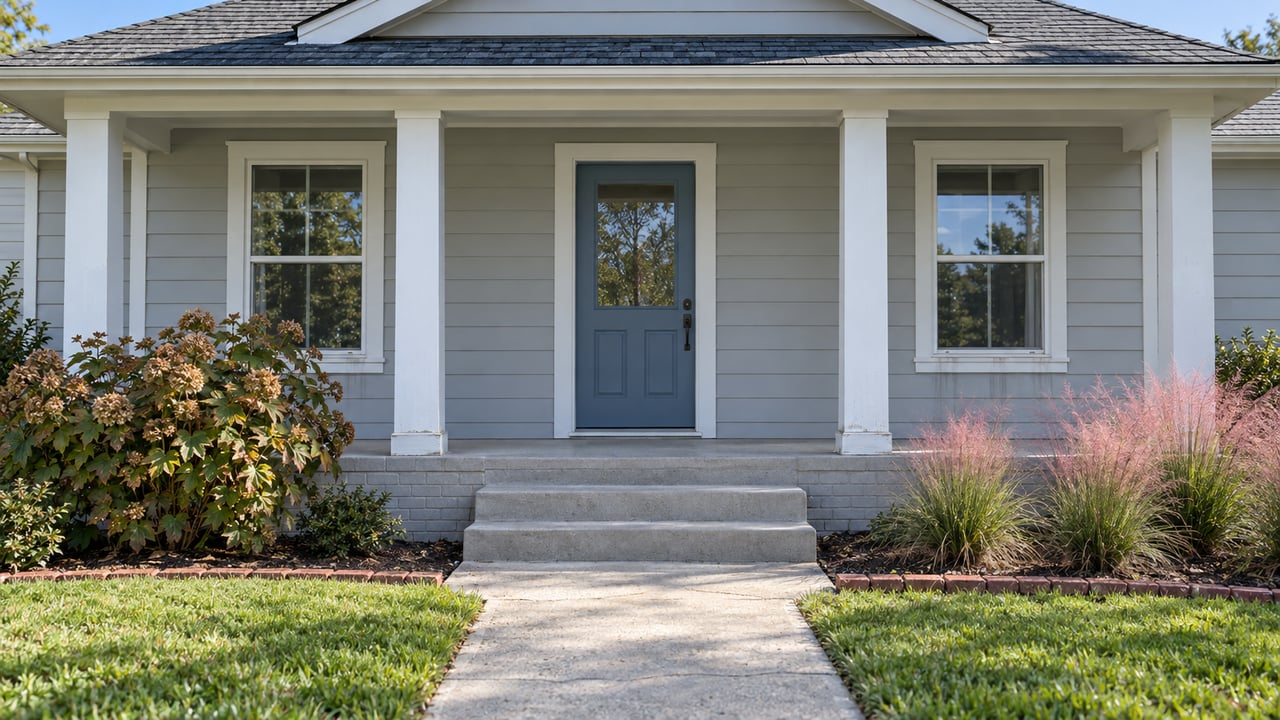
A detached home usually gives you more freedom over the parcel, exterior, and future improvements. You may also have more directly usable outdoor space, including yard area, driveway space, and storage. For many buyers, that extra control is the main reason to choose a home over a condo.
The tradeoff is maintenance. As a homeowner, you are generally responsible for repairs and replacement costs, from smaller fixes to larger items like the roof. In a coastal market like Surfside Beach, that means your planning should include maintenance, insurance, and any flood-related costs that may apply.
What a home may offer
- More control over the land and exterior
- More outdoor space for everyday use
- Less reliance on condo-style common area rules
- More flexibility for long-term property improvements
What to budget for with a home
- Property taxes
- Homeowners insurance
- Flood insurance when required
- Utilities
- Routine maintenance
- Larger repair costs over time
- HOA dues if the home is in a planned community
Monthly costs matter more than price alone
It is easy to focus on the purchase price, but your monthly ownership cost often tells the bigger story. Condo buyers need to account for HOA dues, and those dues are usually paid separately from the mortgage. Home buyers may have lower monthly association costs in some cases, but they often take on more direct maintenance and repair expenses.
In simple terms, condos often shift routine exterior and shared-area costs into a recurring association fee. Homes often shift those same costs back to you as the owner. Neither approach is automatically better. The right fit depends on whether you prefer predictable shared costs or more direct control over how and when money is spent.
Flood and insurance checks in Surfside Beach
For any coastal purchase, insurance deserves early attention. Properties in FEMA-designated Special Flood Hazard Areas are likely to require flood insurance, and Horry County provides flood map tools to help identify 100-year flood hazard zones. Surfside Beach also uses flood-related procedures aimed at protecting people and property from flood damage.
This matters whether you are buying a condo or a home. Before you move too far into the process, it is smart to confirm the property’s flood zone, ask what coverage a lender may require, and understand how those costs affect your total monthly budget.
Beach access can shape daily life
Surfside Beach has 36 beach access points and parking at 12 beach-area lots, several of which are oceanfront. The town also states that motor vehicles are not allowed on the beach at any time. In other words, getting to the beach is all about where you live, how close you are to an access point, and how parking works during the season.
This is where condos often stand out. If your condo is close to a beach access point, you may be able to walk more easily and depend less on seasonal public parking. If you choose a detached home farther from the shoreline, you may gain more space and privacy, but your beach routine could involve more planning.
Parking is a real factor
Surfside Beach public lot parking is seasonal, running from March 1 through October 31 in 2026. The town notes that some beach-access lots are pay-to-park, and the Pier Lot has separate rules. It also states that non-resident property owners within town limits may receive two complimentary parking passes per household with proof of ownership.
For buyers comparing homes and condos, parking is not a small detail. A property’s location, walkability, and parking setup can affect your day-to-day convenience, especially during busier months. If you are buying a second home or investment-minded property, these details can also shape how easy the property feels to use regularly.
Outdoor space and privacy
If outdoor space is high on your list, a detached home often has the edge. You usually get more directly controlled yard area, driveway space, and storage. That can make a noticeable difference if you want room for gear, guests, or simply a little more separation from neighbors.
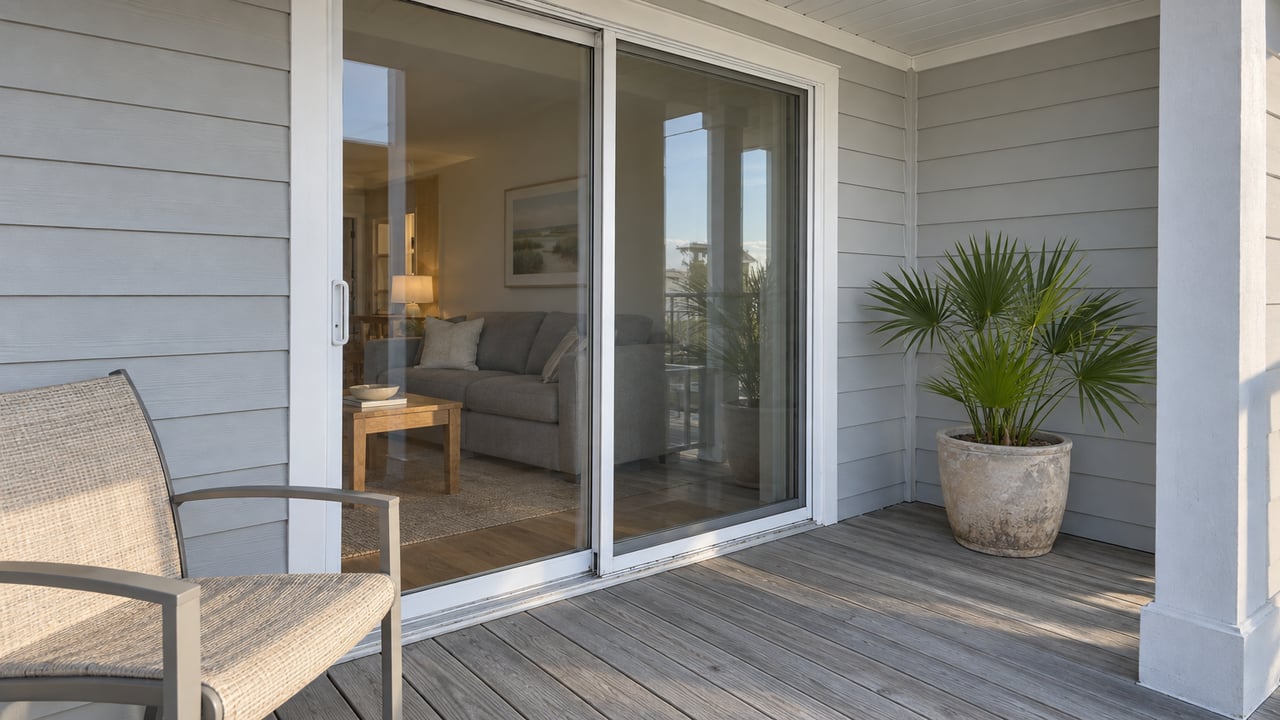
With a condo, outdoor features like patios or balconies may not function the same way from one property to another. Depending on the declaration, they may be common elements or limited common elements. That is another reason to review the governing documents closely before you buy.
Which choice fits your goals
A condo may be the better fit if you want shared maintenance, easier lock-and-leave ownership, and stronger beach-day convenience. This can be especially appealing if you live out of town, want a second home, or prefer a setup where the association handles much of the exterior and common-area upkeep.
A detached home may be the better fit if you want more control, more outdoor space, and more say in how the property is maintained over time. If you are comfortable budgeting for repairs, insurance, and ongoing upkeep, a home can give you a more hands-on ownership experience.
Questions to ask before you decide
Before choosing between a Surfside Beach home and condo, ask these questions:
- What do the HOA dues cover?
- Are HOA dues paid separately from the mortgage?
- Which areas are common elements or limited common elements?
- Who handles exterior maintenance, repairs, and replacements?
- Is the property in a flood hazard area?
- What insurance will the lender expect?
- What are the parking rules for owners?
- Does the property qualify for any town parking passes?
- Are there any lease or use restrictions in the governing documents?
If you are comparing multiple properties, these questions can help you look beyond photos and price. They also make it easier to compare your true cost of ownership and daily lifestyle fit.
If you are planning your next move in Surfside Beach, the right choice usually comes down to how you want to live and what kind of ownership experience fits you best. A condo can offer convenience and shared upkeep, while a home can offer more space and control. If you want local guidance that helps you compare both options with clarity, The Brian Piercy Group is here to help.
FAQs
What is the main difference between a Surfside Beach condo and a house?
- A condo gives you ownership of your unit plus a shared interest in common elements, while a house usually gives you more direct control over the land and exterior.
Are HOA dues included in a Surfside Beach mortgage payment?
- Usually not. HOA dues are typically paid separately from the mortgage.
Do Surfside Beach houses always have fewer rules than condos?
- Not always. A detached home can still be part of a planned community with assessments and rules.
Why does beach access matter when choosing a Surfside Beach property?
- Surfside Beach does not allow vehicles on the beach, so being close to an access point can make beach trips easier and reduce reliance on seasonal public parking.
Should flood zones affect a Surfside Beach home or condo purchase?
- Yes. A property in a flood hazard area may require flood insurance, which can affect your monthly costs.
What should you review before buying a Surfside Beach condo?
- Review the declaration and bylaws to confirm what is private, what is shared, how expenses are divided, and whether there are leasing or use restrictions.