A house in Conway and a condo in Conway are supposed to be part of the same market. In the first quarter of 2026, they stopped behaving like one.
Between January and March, 57 townhouses and condos sold in Conway's two main zip codes, up 46 percent from the 39 that sold in the same stretch of 2025. That should read as a hot segment. But the median time those units spent on the market before going under contract nearly doubled, climbing from 79 days in 2025 to 148 days in 2026. More buyers showed up. It took them almost twice as long to close. Single-family homes in the same market barely moved: 137 days to contract in 2025, 144 in 2026, a five percent shift that looks almost boring next to the condo numbers.
Two segments of the same city, moving at two different speeds, in opposite directions on the metric that matters most to a seller's timeline. That's not noise. That's a market being pulled by two separate forces, and one of them has nothing to do with retirees, riverfront charm, or the usual "affordable alternative to the coast" pitch.
What's Filling and Emptying Those Units
Coastal Carolina University just posted preliminary Fall 2026 enrollment of 12,252 students, its fourth consecutive record year and an increase over last year's mark of 12,006. The university has roughly 5,400 beds on campus. Freshmen and sophomores are required to live in university housing, which means every one of those beds goes to underclassmen first. Upperclassmen and graduate students are left to find housing on their own, off campus, in whatever inventory Conway happens to have that month.
A WBTW report from mid-August 2026 found upperclassmen and grad students scrambling for off-campus placements as the new school year opened, with more than 12,000 total students now competing for a fixed pool of nearby rentals. That crunch doesn't show up on a home value chart. It shows up in who's buying the condo two blocks from campus, and why. A growing share of that inventory isn't being purchased by someone who plans to live there. It's being purchased by someone who plans to rent it to someone who does.
That's the mechanism behind the days-to-contract split. A single-family home in a subdivision moves on a family's timeline: inspection, financing, closing, move-in around a school year or a job start date. A condo near campus moves on a landlord's timeline, and landlords negotiate harder, walk from deals more often, and wait for the number that makes the rental math work. More transactions, slower transactions. Both things are true because two different kinds of buyers are shopping the same zip code for two different reasons.
Two Markets, Two Speeds
| Single-Family (Q1 2026) | Condo/Townhome (Q1 2026) | |
|---|---|---|
| Units sold | Up modestly year over year | 57 sold, up 46% from 39 |
| Days to contract | 144, up from 137 | 148, up from 79 |
| Median price direction | Down roughly $2,000 from Q1 2025 | Mixed, driven by rental-comp buyers |
| Typical buyer motive | Owner-occupant, family, retiree | Investor or landlord, rental-comp driven |
The single-family column looks like a market catching its breath. The condo/townhome column looks like a market where the buyer pool changed shape and the old comps stopped predicting behavior. Overall, Conway's two main zip codes recorded 515 total home sales in Q1 2026 versus 472 in Q1 2025, a 9.1 percent increase. That headline number reads as strength. It's really the sum of a stable single-family market and a volatile, campus-adjacent rental market getting added together.
Why the Median You Already Saw Isn't Wrong, Just Incomplete
If you've been comparing portals, you've probably noticed the numbers don't agree with each other, and that's not a data error. For the three months ending May 2026, the citywide median sale price came in at $280,000, down 4.5 percent from the same window a year earlier, with average days on market rising from 97 to 110 and 188 homes sold that month versus 176 the year before. In the same window, median price per square foot actually rose 5.3 percent.
A falling median price alongside a rising price per square foot means the mix of what's selling changed, not that homes got cheaper to build or buy per foot of space. Smaller units, including the condo and townhome segment now absorbing rental-driven demand, are pulling the median down even as construction and renovation costs keep pushing the per-square-foot number up. Meanwhile, the single-family side of the market told a calmer story earlier in the year: as of February 2026, the median sold price for single-family homes sat at $314,500, flat from the prior month, with new pending listings carrying a slightly higher median list price of $329,900 and a median time on market of just 58 days, down 24 percent from January.
Put those two windows side by side and the split holds. Single-family homes in Conway are pricing and moving the way a stable, owner-occupant market should. The blended citywide median is being tugged by a smaller, faster-growing segment with a different buyer and a different clock.
What This Actually Means If You're Buying Here
If you're comparing Conway to the coast on affordability alone, you're not wrong that the entry price is lower. But which Conway you're buying into changes what that price means a year from now.
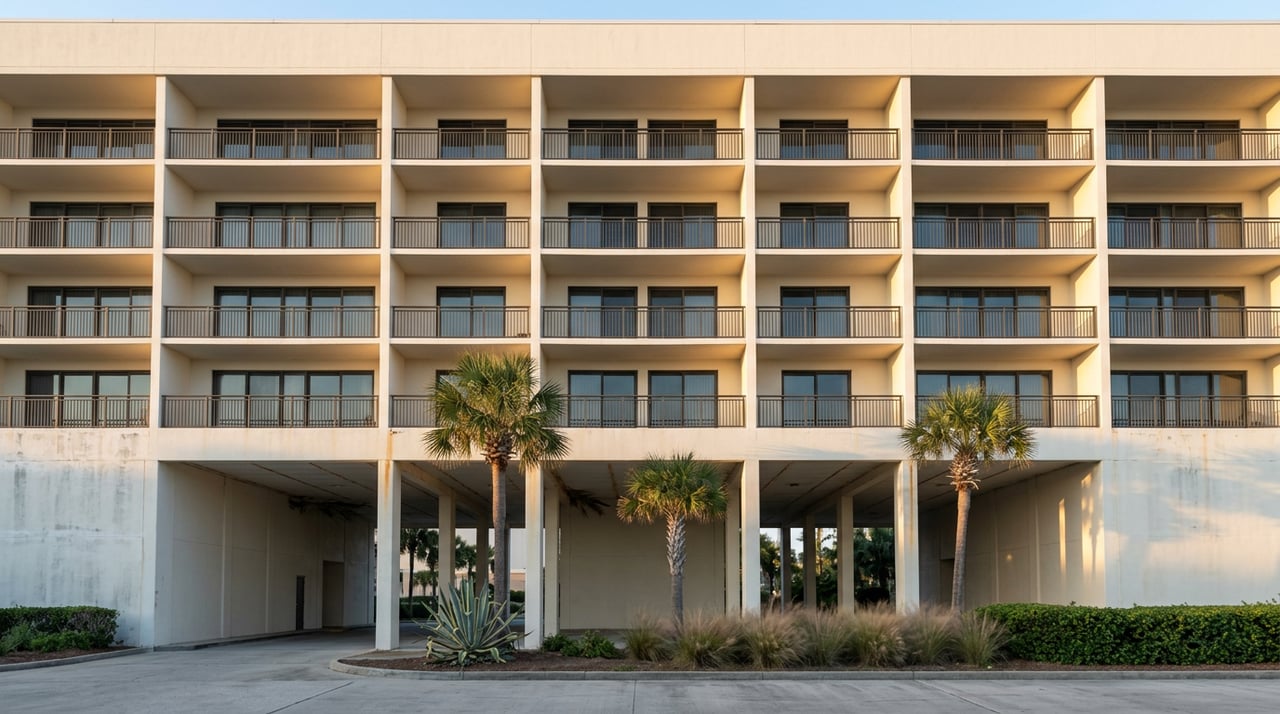
- If you're looking at a condo or townhome within a few miles of the Coastal Carolina University campus, treat the comps as rental comps first. Ask what a landlord would pay for that unit based on realistic rent, not what a family would pay to live in it. The buyer pool competing for it right now skews investor, and pricing that ignores that will either sit or get outbid by someone who ran the numbers correctly.
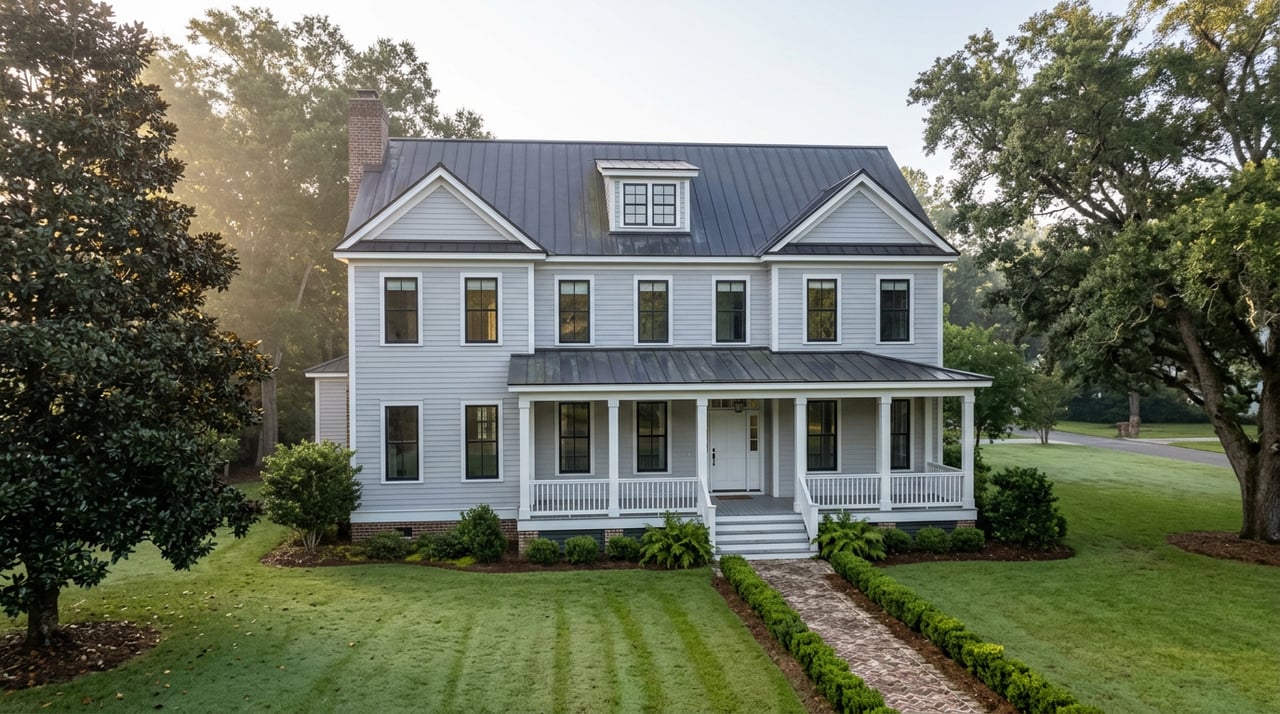
- If you're looking at a single-family home in one of Conway's established neighborhoods or near the historic downtown and Riverwalk, the market is closer to what a portal median suggests: modest appreciation, reasonable days on market, owner-occupant competition. That segment isn't riding CCU's enrollment cycle. It's riding the same slow, steady demand that's made Conway a draw for families and retirees for years.
- Ask any listing agent directly whether recent comparable sales in a condo or townhome community were owner-occupied or investor-purchased. That single question tells you more about future appreciation than the median price on any portal.
CCU's enrollment trajectory is the piece of this that's easy to miss and hard to ignore once you see it. A university adding roughly 250 students a year against a fixed bed count of 5,400 doesn't just create a housing story for students. It creates a standing floor of rental demand that shows up first in the segment of Conway's market built to absorb it: condos and townhomes close to campus. Understanding which submarket you're stepping into matters more than the single number every site quotes as "the median."
Quick Answers Before You Look at Conway Listings
Is Conway actually cheaper than buying on the coast right now? For single-family homes, yes, and that gap has held for a while. For condos and townhomes near campus, price alone won't tell you what you're getting. You're pricing against investors who are pricing against rent, not against comparable owner-occupied sales.
Should I buy a condo near CCU as a rental? It can work, but go in knowing the segment moved slower to contract in 2026 even as volume rose. That's a market where the right offer at the right comp takes longer to land, not a market where you can assume a quick close.
Are the legacy neighborhoods near downtown and the Riverwalk a safer bet? The data available through early 2026 suggests that segment is behaving more predictably: modest price movement, faster days on market, and a buyer pool that's mostly owner-occupants rather than investors chasing rental yield.
Conway rewards a buyer who knows which market they're actually in before they write an offer. If you're weighing a purchase here, whether it's a legacy single-family home near the historic district or a rental-ready condo close to campus, The Brian Piercy Group can walk you through the comps that actually apply to your situation. Start with a free instant home valuation to see where your target property sits against both sides of this market.