Trying to decide between Conway and Myrtle Beach? You are not alone. Each offers a different pace, price point, and daily experience, and the right choice depends on how you want to live, work, and spend your time. In this guide, you’ll compare commute, vibe, housing, services, and risk so you can match your goals and budget to the right address. Let’s dive in.
Conway vs. Myrtle Beach
Both cities sit in Horry County along South Carolina’s Grand Strand. Conway is an inland river town with a historic downtown and calmer, residential feel. Myrtle Beach is the region’s oceanfront hub with boardwalk energy, resort amenities, and a strong tourism economy. You can reach the beach from Conway in a typical 20 to 35 minutes depending on traffic and your exact start and end points.
Location and commute
Conway is the county seat along the Waccamaw River, about a 20 to 35 minute drive to central Myrtle Beach depending on route and time of day. That proximity gives you beach access without living in the tourist core.
Myrtle Beach puts you right on the Atlantic shoreline and the Grand Strand’s entertainment corridor. Daily errands, dining, and recreation often happen within a short drive, but traffic can be heavier in peak seasons and during large events.
- Airport access: Myrtle Beach International Airport offers regional flights and seasonal routes. If you fly often, living closer to the coast can simplify early departures and late arrivals. Explore routes and services at the official airport site for Myrtle Beach International Airport.
- Public transit: Coast RTA operates bus service around the Grand Strand, including routes that connect inland communities to the coast. Review current routes and schedules via Coast RTA.
Lifestyle and vibe
Conway: Historic, local, and laid back
Conway centers around a walkable downtown with a riverwalk, local restaurants and shops, and community events. The feel is more residential and steady year round. You also have easy access to university programming and arts through nearby Coastal Carolina University.
Buyers who value a quieter pace, larger yards, and a small-town atmosphere often gravitate toward Conway. You can enjoy riverfront parks and local festivals while staying within a short drive of the beach.
Myrtle Beach: Oceanfront energy and amenities
Myrtle Beach is the Grand Strand’s tourism and entertainment heart. Expect beachfront parks, golf, shows, and a wide array of dining. Condo towers and resort-style communities are common near the water, and some neighborhoods have a high share of vacation rentals.
The upside is immediate beach access and plentiful amenities. The tradeoff is more seasonal activity, more visitor traffic, and a livelier atmosphere, especially near the boardwalk and resort corridors.
Housing and costs
What you will find
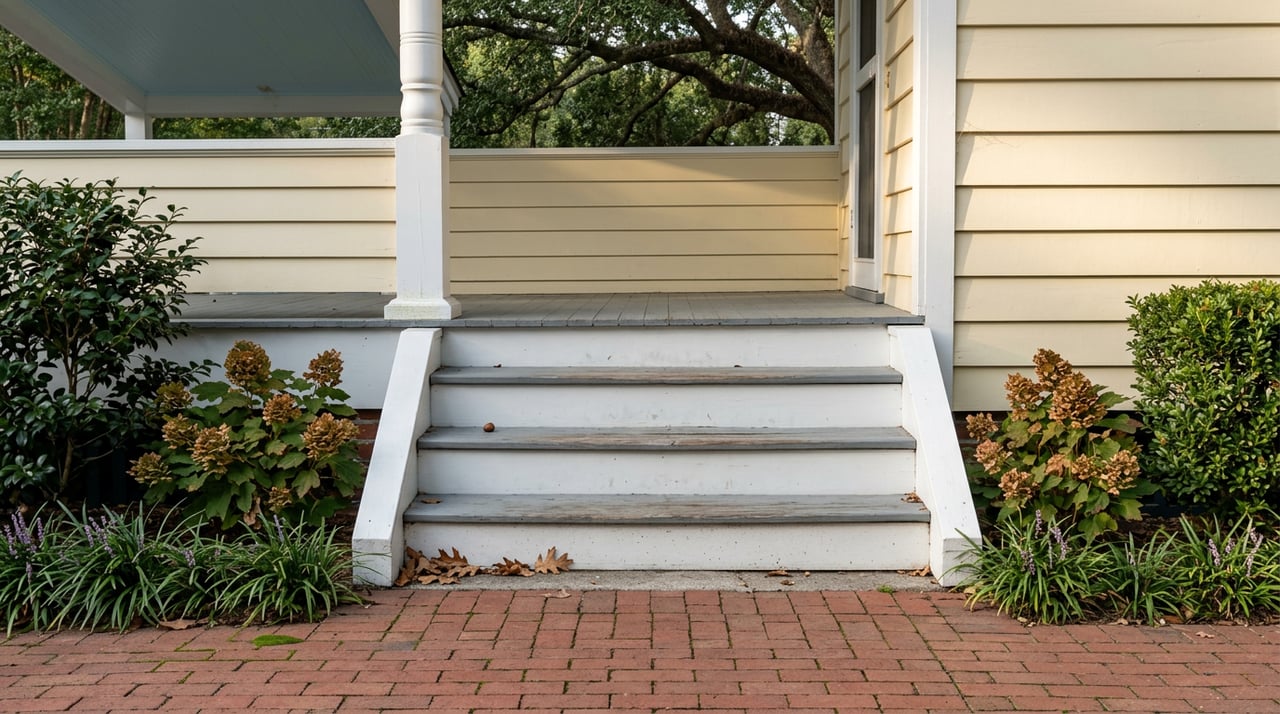
- Conway: A mix of historic single-family homes near downtown, newer subdivisions with larger lots, townhomes, and some apartments. More land and traditional neighborhoods are common compared to the coastal strip.
- Myrtle Beach: Many beachfront and near-beach condos, resort properties, and multifamily buildings, with single-family neighborhoods as you move inland from the ocean. Condos and HOA communities are a major part of the housing stock.
Price patterns
Median prices typically run lower in Conway than in popular beachfront or golf communities in Myrtle Beach, especially when comparing single-family homes to oceanfront condos. That said, prices vary widely by neighborhood, building amenities, and proximity to the beach. If you are comparing condos to condos, or newer homes in both areas, expect ranges to overlap.
Short-term rentals and rules
- Myrtle Beach: The city has a large short-term rental market. If you plan to rent your property, confirm current licensing, inspections, and lodging tax requirements with the city. Start with the City of Myrtle Beach to review business licensing and any rental regulations.
- Conway: Fewer short-term rentals and a more residential feel. Check local zoning, business licensing, and any HOA rules through the City of Conway before you buy.
- County: For properties outside city limits, review requirements with Horry County.
Taxes and insurance
- Property taxes: South Carolina taxes vary by city, county, and special district. Millage changes over time. For up-to-date information and estimators, use the resources at Horry County.
- Homeowners insurance: Coastal properties often carry higher premiums due to wind and hurricane exposure. Inland locations can be more affordable, but costs differ by construction, elevation, and coverage.
- Flood insurance: Beachfront areas face storm surge risk, while Conway has river and localized flood zones. Always check parcel-level maps through the FEMA Flood Map Service Center and review elevation certificates before you finalize an offer.
Schools and healthcare
- Schools: Both cities are served by Horry County Schools. Attendance zones and program offerings vary by address, so verify your specific property on the official site for Horry County Schools. Keep in mind that school performance can change year to year.
- University access: Conway benefits from proximity to university events, lectures, and arts programming.
- Healthcare: Tidelands Health operates hospitals and clinics across the Grand Strand and Conway. For locations, specialties, and services, see Tidelands Health.
Internet and remote work
Most populated neighborhoods in both cities have cable or fiber options. Coverage can vary by subdivision and street, so verify address-level service and speeds.
- Cable internet: Spectrum offers wide coverage in Horry County. Check plans and availability at Spectrum.
- Fiber and alternatives: Fiber continues to expand in the region. If fiber is not available at your address, consider cable, fixed wireless, or satellite. Confirm availability directly with providers before you buy.
Tip: Ask the seller for their current provider and speed, and run a video call test during your showing if remote work is mission-critical.
Climate and risk
The Grand Strand has a humid subtropical climate with hot summers, mild winters, and a long growing season. Hurricane season runs from June through November, which can influence insurance and preparedness.
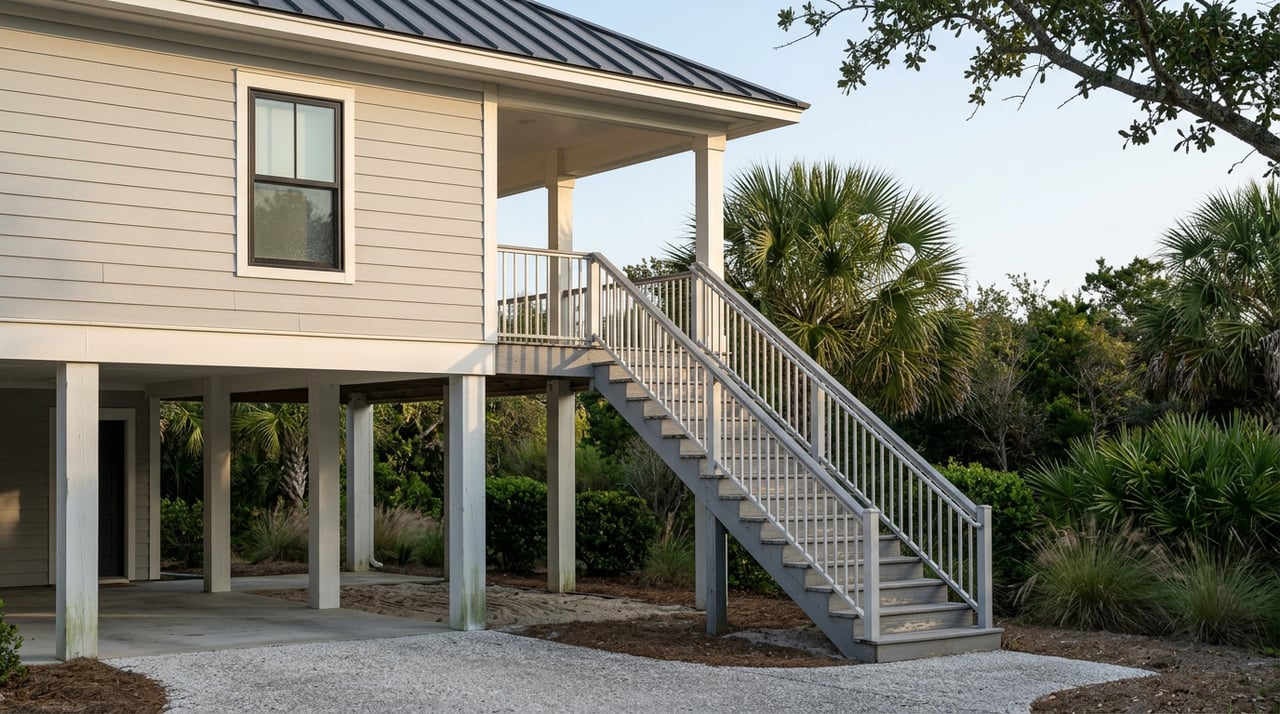
- Coastal risks: Myrtle Beach properties can face storm surge and wind hazards. Elevated construction and hurricane-rated building features are common near the water.
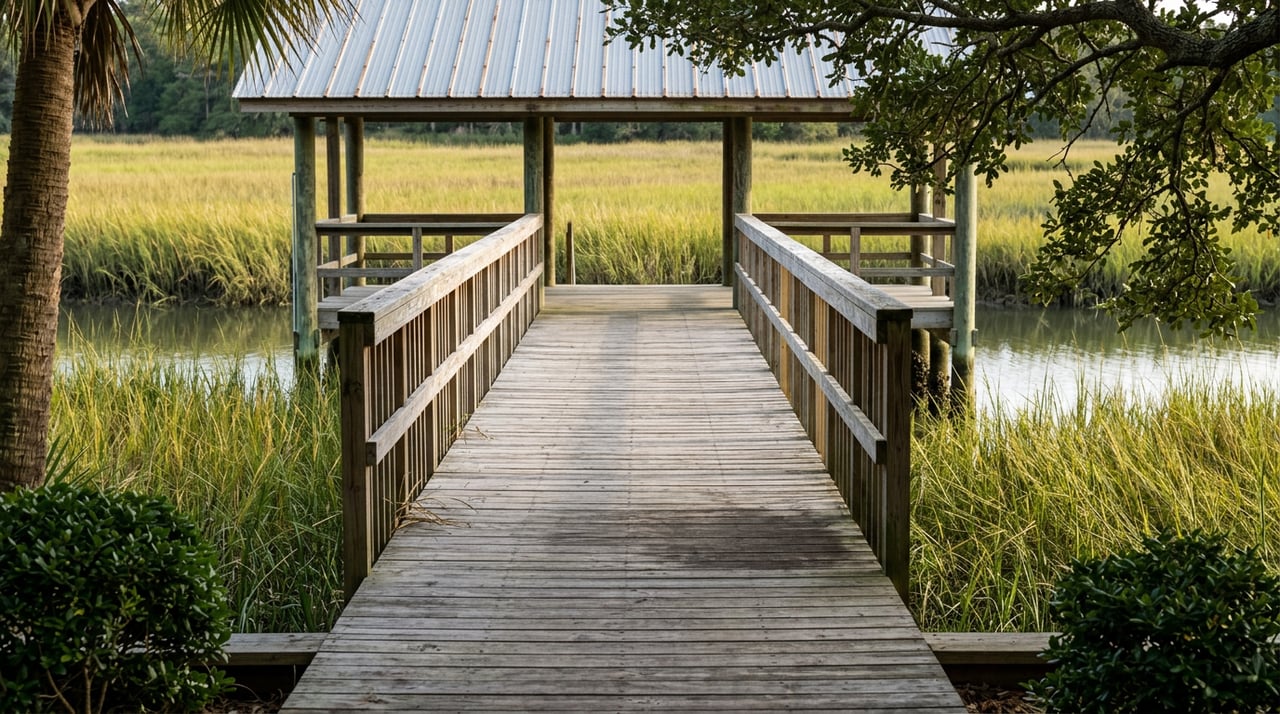
- River and localized flooding: Conway’s primary exposure is riverine flooding from the Waccamaw and heavy rain events. Some inland neighborhoods sit on higher ground with lower risk.
Always review your specific parcel’s flood zone on the FEMA Flood Map Service Center and keep an eye on regional hurricane guidance from NOAA. Ask your insurance agent for quotes that include wind and flood where applicable.
Who each place fits
These profiles are starting points to help you focus your search. Your best fit depends on your exact address and priorities.
Best for Conway
- You want a quieter, community-oriented feel and larger yards.
- You like historic streets, riverfront parks, and local events.
- You prefer primarily residential neighborhoods with university access nearby.
Best for Myrtle Beach
- You want immediate beach access, resort amenities, and entertainment nearby.
- You plan to use a condo with on-site amenities or explore rental income in permitted buildings.
- You enjoy seasonal activity and do not mind visitor traffic near tourist areas.
Decision checklist
If you lean Conway
- Map your commute to the coast, airport, and frequent destinations at different times of day.
- Verify sewer vs. septic, lot elevation, and any history of river or localized flooding.
- Confirm address-level school zoning through Horry County Schools.
- Test broadband and cell coverage at the exact address, and confirm providers like Spectrum.
If you lean Myrtle Beach
- Confirm your flood zone, building elevation, and hurricane mitigation features. Use FEMA’s Flood Map Service Center for parcel checks.
- Review HOA rules, special assessments, and rental policies, especially for condos.
- Visit during peak times to gauge noise, parking, and traffic.
- Get insurance quotes that include wind and flood. Review city licensing and rental requirements via the City of Myrtle Beach.
If you plan to run a short-term rental
- Verify zoning and building rules before you buy. Start with the City of Myrtle Beach or Horry County depending on location, and confirm business license and lodging tax steps. In Conway, check policies with the City of Conway.
Middle-ground choices
Areas between Conway and Myrtle Beach can offer the best of both worlds. You may find newer subdivisions with shorter drives to the beach than parts of Conway, plus a quieter pace than the main oceanfront. If you want a balanced commute and a suburban feel, include these neighborhoods in your search.
Ready to compare addresses side by side?
If you want oceanfront energy, Conway calm, or something in between, a local, data-informed plan will save you time and money. You can tour in person or virtually, compare HOA rules, estimate insurance, and check flood maps before you commit. If you are also weighing rental income, review licensing and building policies early so your numbers match reality.
Have questions about a specific property, condo building, or neighborhood? Get clear guidance and next steps tailored to your move. Get your instant home valuation and personalized search support with Unknown Company.
FAQs
Is Conway or Myrtle Beach more affordable for housing?
- In general, Conway’s median home prices tend to run lower than in popular oceanfront or golf areas of Myrtle Beach, but values vary widely by neighborhood, property type, and amenities. Compare like for like and verify current medians before you decide.
How long is the drive from Conway to the beach and airport?
- Typical drive time from Conway to central Myrtle Beach is about 20 to 35 minutes depending on route and traffic. The drive to Myrtle Beach International Airport is often in a similar range. Check current conditions on your preferred maps app.
What are the short-term rental rules in Myrtle Beach and Conway?
- Rules depend on city or county location and the specific building or HOA. Start with the City of Myrtle Beach, the City of Conway, or Horry County for licensing and tax guidance, and confirm building policies before you buy.
How do flood risks differ between the two areas?
- Myrtle Beach properties face coastal storm surge and wind exposure, while Conway’s risks are more river and heavy rain related. Always check parcel-level flood zones through the FEMA Flood Map Service Center and review elevation details for the property.
Are there good healthcare options nearby?
- Yes. Tidelands Health operates hospitals and clinics across the region. Explore locations and services at Tidelands Health.
Is public transit available in Conway and Myrtle Beach?
- Coast RTA runs bus routes around the Grand Strand and inland communities. Review routes and schedules on Coast RTA.
What internet options support remote work?
- Most populated neighborhoods have cable or fiber. Confirm address-level availability and speeds directly with providers such as Spectrum, and test connectivity at the property before you write an offer.