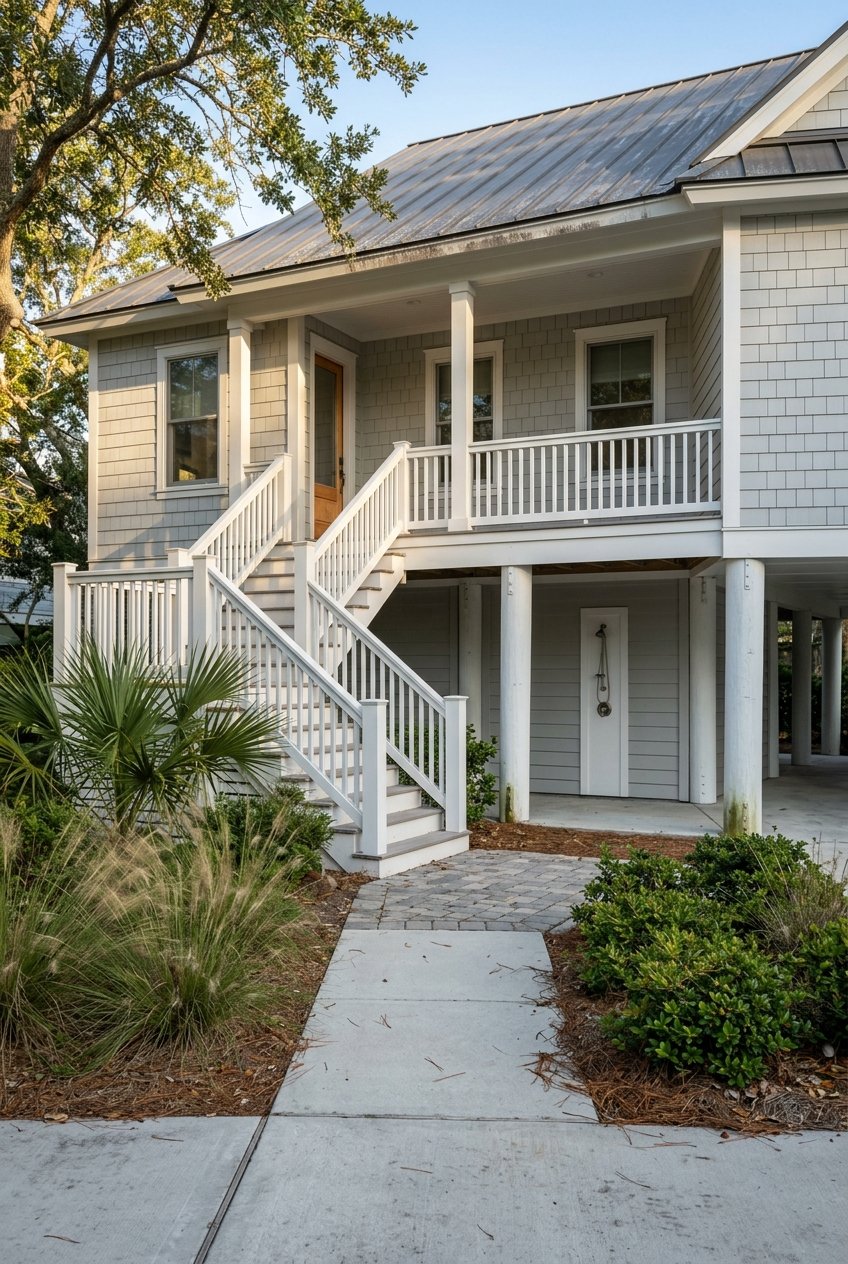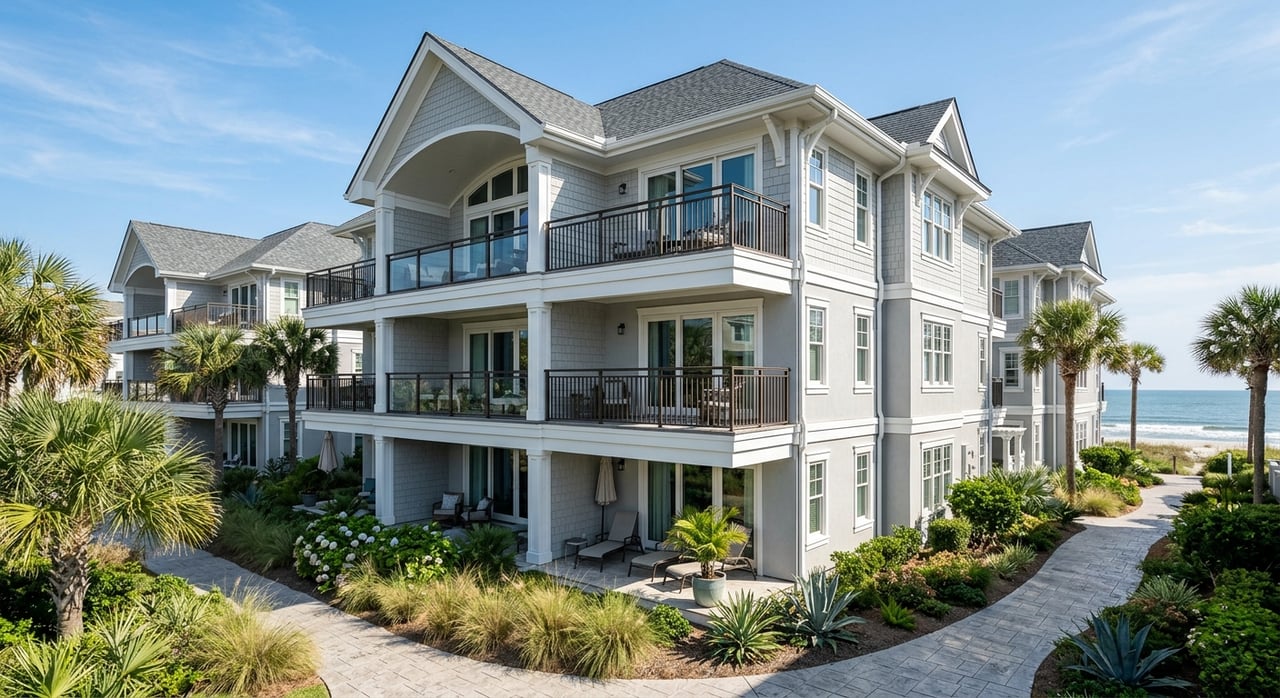
Thinking about buying a second home in Murrells Inlet? You are not alone. For many buyers, this part of the South Carolina coast stands out because it offers a mix of waterfront scenery, beach access, and a lifestyle that feels easy to enjoy without being hard to reach. If you are trying to figure out budget, property type, seasonal use, and ownership costs, this guide will help you focus on the details that matter most. Let’s dive in.
Why Murrells Inlet Appeals to Second-Home Buyers
Murrells Inlet offers a distinct coastal experience shaped by water, outdoor access, and a strong sense of place. One of the area’s best-known features is the MarshWalk, a half-mile boardwalk along a natural saltwater estuary in the historic fishing village. For many buyers, that means waterfront dining, walking, and creek-side views are part of everyday life here, not just an occasional outing.
Beach access also plays a big role in the local lifestyle. Huntington Beach State Park is located in Murrells Inlet, and Georgetown County has opened a bikeway parking area along Business 17 into the park. That combination supports the kind of second-home use many buyers want, with time split between the beach, outdoor recreation, and nearby dining.
For out-of-area owners, travel access matters too. Murrells Inlet connects easily through Highway 17 Business, and Myrtle Beach International Airport serves as the main commercial airport for the area. If you plan to use your property for frequent long weekends or seasonal stays, that convenience can make ownership much more practical.
What the Market Looks Like Now
If you are starting your search, it helps to know where the market stands today. In the March 2026 CCAR ZIP 29576 report for Garden City and Murrells Inlet, the year-to-date median sales price was $455,000 for single-family homes and $282,000 for townhouse and condo properties.
That creates two clear entry points for second-home buyers. Condo and townhome options generally represent the lower-entry segment, while detached homes tend to start in the higher price band. In simple terms, many buyers begin with condos in the upper-$200,000 range and compare those against single-family homes that often begin around the mid-$400,000 range.
Inventory also varies by property type. The same report shows 309 single-family listings with a 134-day median days on market, compared with 242 condo and townhome listings with a 145-day median days on market. That suggests buyers may see a little more availability among detached homes, while condos and townhomes remain an important option for lower-maintenance ownership.
Pricing, of course, still moves with condition, water proximity, and lot characteristics. Homes closer to inlet views, estuary access, or beach-oriented amenities may sit at a premium compared with similar properties farther inland. Sale-to-list ratios near 97% also suggest that buyers should expect only modest discounts on median sold properties.
Choosing the Right Property Type
Condos and Townhomes
If your goal is a simpler ownership experience, condos and townhomes often make sense. They can offer a lower starting price than detached homes, and they may fit buyers who want a second home that is easier to lock up and leave between visits. For many out-of-area owners, that lower-maintenance setup is a major advantage.
This option can also work well if you are focused on lifestyle access over interior space. If being near the beach, the MarshWalk, or daily dining and recreation matters more than having a larger lot, a condo or townhome may check the right boxes.
Single-Family Homes
Single-family homes usually appeal to buyers who want more privacy, more indoor space, or more separation from neighboring properties. In Murrells Inlet, they also tend to be the higher-entry segment based on current median sales data. If you want outdoor living areas, more storage, or a different layout for hosting family and guests, this category may be worth the extra budget.
Detached homes can also offer more variation in lot size, water relationship, and overall setting. That can be a positive if you want a property that feels more tailored to your long-term plans. At the same time, it often comes with more maintenance responsibility and a higher initial price point.
How to Match Your Budget to Your Goals
A second home is not just a purchase price decision. In Murrells Inlet, your best fit usually depends on how you plan to use the property.
If you mainly want personal getaway time, you may prioritize location, ease of upkeep, and quick access to the water or beach. In that case, a condo or townhome can offer a more efficient path into the market. If you expect to host often, stay for longer stretches, or want more separation and privacy, a single-family home may be the better match.
It helps to build your search around a few simple questions:
- How often will you visit each year?
- Do you want lower-maintenance ownership?
- Is beach access more important than extra square footage?
- Are you comfortable budgeting for flood insurance if needed?
- Do you plan to keep the home strictly for personal use or also consider occasional rental use?
These answers can narrow your shortlist quickly and keep you from spending time on the wrong property type.
Seasonal Use in Murrells Inlet
Murrells Inlet works especially well for buyers who want strong use during spring, summer, and the shoulder seasons. Nearby Myrtle Beach climate normals show January average temperatures of 55.5°F high and 33.6°F low, while July averages are 87.4°F high and 71.6°F low.
That pattern supports a seasonal lifestyle built around warmer months and milder shoulder-season visits. Summer and early fall are also the wetter parts of the year, so weather planning should be part of how you think about ownership and travel.
The local event pattern reinforces this seasonal rhythm. The MarshWalk calendar highlights 75 Days of Summer from June 1 through August 31, along with fall and winter holiday events. For many second-home buyers, that means the area can stay active beyond peak summer while still delivering the classic coastal-season experience.
Storm Season and Property Planning
If you are buying near the coast, storm planning belongs in your budget conversation from day one. NOAA states that Atlantic hurricane season runs from June 1 through November 30, with peak activity usually in August through October.
That does not mean you should avoid buying in Murrells Inlet. It does mean you should think clearly about insurance, property condition, elevation information, and your comfort level as an out-of-area owner during storm season. A smart second-home purchase here includes a plan for weather exposure, not just a plan for fun weekends.
Taxes and Ongoing Ownership Costs
One of the most important details for second-home buyers in South Carolina is tax classification. South Carolina taxes primary residences at a 4% assessment ratio, while second homes or vacation homes are generally taxed at 6%. For most second-home buyers in Murrells Inlet, the 6% classification is the baseline assumption unless the property later qualifies as a primary residence.
Georgetown County also notes that millage varies by tax district. That means two properties with similar prices may not produce identical tax bills. It is worth reviewing parcel-specific estimates before you make assumptions about your long-term carrying costs.
The county reassesses property values every five years, and most property values cannot rise more than 15% over five years unless the property is sold or improved. That is useful context for long-term planning, but it is still important to look at the most current county figures for the specific parcel you are considering.
Georgetown County’s property-tax calculator can help with current millage, but it does not include homestead exemption or some household and stormwater fees. For a second-home purchase, that means your best budget number will come from a more complete parcel-level review rather than a broad online estimate alone.
Rental Use and Tax Questions
Some second-home buyers want the option to use the property personally and rent it occasionally. If that is part of your plan, make sure you understand the local tax treatment before you buy.
Georgetown County’s local accommodations tax is 3% on transient lodging, and stays of 30 or more continuous days are not considered transient for that tax. The county also states that owners of residences taxed at 6% should make the required rental return, and rental-related questions should be directed to the county auditor and the South Carolina Department of Revenue.
This is one area where assumptions can get expensive. If occasional rental use is important to you, treat tax handling and classification as part of your purchase strategy, not as something to sort out later.
Flood Risk Should Be a Core Budget Item
In Murrells Inlet, flood risk is not a side issue for waterfront or inlet-close properties. Georgetown County’s flood-protection guidance recommends checking flood maps and elevation certificates through the county portal. FEMA also explains that flood insurance is the main protection tool in participating communities.
For buyers, the practical takeaway is simple. Flood zone, elevation information, and insurance quotes should be part of your early due diligence. If you wait until the end of the process to look at those numbers, your true cost of ownership may come as a surprise.
A strong second-home plan should include:
- The property’s flood zone review
- Available elevation certificate information
- A flood insurance quote if applicable
- A realistic estimate of annual carrying costs
- A clear understanding of how close-to-water location affects budget
A Smart Buying Strategy for Murrells Inlet
The best second-home purchases usually come from matching lifestyle goals with the right ownership structure. In Murrells Inlet, that often means balancing price point, maintenance level, water access, tax treatment, and flood-related costs.
If you want a lower-entry option with easier upkeep, condos and townhomes deserve a close look. If you want more space, privacy, or a different long-term fit, single-family homes may justify the higher starting price. Either way, the numbers only tell part of the story. The right property should also fit how you plan to use it throughout the year.
Before you make an offer, verify tax classification, rental intent, financing details, insurance costs, and parcel-specific county information. Those steps can help you move forward with more confidence and fewer surprises.
When you are ready to compare second-home options in Murrells Inlet, The Brian Piercy Group can help you evaluate property type, pricing, and the local factors that shape a smart coastal purchase.
FAQs
What is the typical price range for a second home in Murrells Inlet?
- Based on March 2026 CCAR data for ZIP 29576, the year-to-date median sales price was $282,000 for townhouse and condo properties and $455,000 for single-family homes.
What property type works best for a Murrells Inlet second home?
- That depends on your goals, but condos and townhomes often suit buyers looking for a lower-entry price and easier upkeep, while single-family homes may fit buyers who want more space and privacy.
How are second homes taxed in Murrells Inlet, South Carolina?
- South Carolina generally taxes second homes and vacation homes at a 6% assessment ratio, while primary residences are taxed at 4%, with millage varying by Georgetown County tax district.
Should Murrells Inlet second-home buyers check flood zones?
- Yes. Georgetown County recommends reviewing flood maps and elevation certificates, and flood insurance should be treated as a core part of your budget for coastal or inlet-close properties.
Can you rent out a second home in Murrells Inlet occasionally?
- Some owners do consider occasional rental use, but Georgetown County applies a 3% local accommodations tax to transient lodging, and owners of residences taxed at 6% should make the required rental return.
Is Murrells Inlet a good fit for seasonal second-home use?
- Murrells Inlet is well suited to spring, summer, and shoulder-season visits, with beach access, waterfront amenities, and climate patterns that support warmer-weather use.