Picture your morning starting with the sound of waves, a quick stroll to the pier for coffee, and enough space to reset between beach walks and sunset views. If you are weighing a second home or an income-producing condo, you want a place that fits your lifestyle and your numbers. Garden City in Horry County offers a quieter, beach-first rhythm with easy access to the broader Grand Strand. This guide breaks down daily life, rental potential, building types, costs, and a practical checklist so you can decide with clarity. Let’s dive in.
Garden City at a glance
Garden City Beach sits on South Carolina’s Grand Strand, just south of the more commercial sections of Myrtle Beach. The community is known for oceanfront condos, easy beach access, and a relaxed pace. The Garden City Pier anchors local life with fishing, casual dining, and seasonal entertainment.
If you want a beach retreat that is close to amenities but feels more residential, Garden City often hits the mark. Investors also like the steady family vacation demand, especially for units near the pier and beach.
Oceanfront daily rhythm
Garden City Pier: the local hub
The Garden City Pier is a focal point for fishing, live views, and an easy dining stop. Proximity matters here. Units within a short walk of the pier tend to be more visible in rental searches and attract families and anglers who want convenience.
Common pier routines include:
- Early-morning or sunset fishing
- Casual meals and snacks
- Seasonal events and small concerts
- Simple strolls for ocean views and people-watching
Beach access and safety
Garden City offers multiple public beach access points with dune walkovers and, in key spots, restrooms or showers. Lifeguards typically operate seasonally during summer. Beaches use flag systems and posted signage for surf and swimming conditions, so plan to check those before heading out. On busy days, arrive early or later in the afternoon when parking and crowds taper.
Rules for pets, bonfires, and special activities can vary by season and jurisdiction. Before planning a pet-friendly stay or a beach gathering, verify current local ordinances.
Getting around by golf cart
Golf carts and other low-speed vehicles are popular for short trips to the pier, restaurants, or the grocery store. Street use rules depend on the jurisdiction and can include registration, lighting, and licensing requirements. If you are buying in a condo or HOA community, review storage and charging rules. Ask where carts can be parked and whether on-site charging is allowed.
What you will find in buildings
Typical property types
Most oceanfront choices in Garden City are low- to mid-rise condo buildings, with some multi-unit complexes and nearby single-family homes a bit inland. Expect a mix of older buildings and newer developments. This affects price, amenities, and maintenance.
- Older condos may offer a lower entry price but can carry higher repair and upgrade needs, such as elevators, roofs, or pool systems.
- Newer buildings often have modern systems and finishes, though HOA dues may be higher.
Amenities that matter
Garden City oceanfront properties often deliver what vacationers value most. Common features include:
- Private or controlled beach access with dune walkovers
- Exterior pools, hot tubs, and sun decks
- Elevators and covered parking or carports
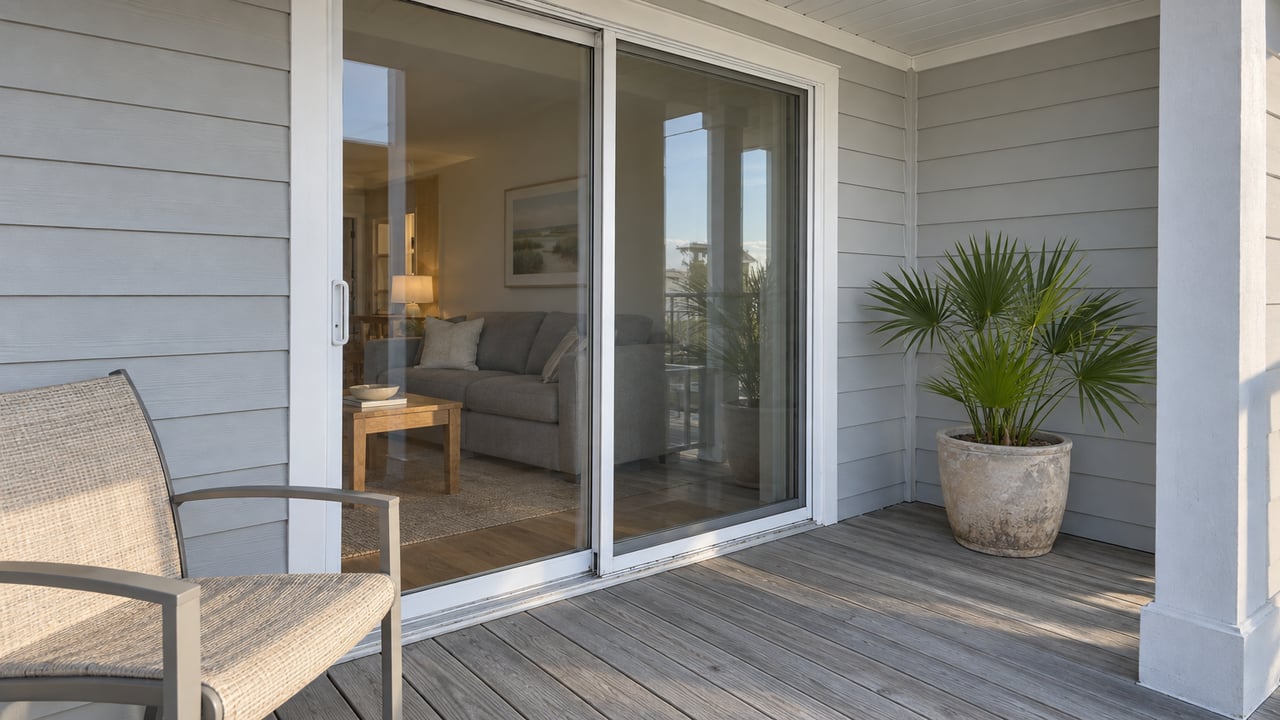
- Private balconies with ocean views
- On-site laundry or in-unit washers and dryers
- Security features and, in some communities, gated access
- On-site management in larger complexes
Not every building offers full-service rental management. Service levels and amenities influence both HOA fees and rental performance, so align the package with your goals.
Maintenance in a salt-air environment
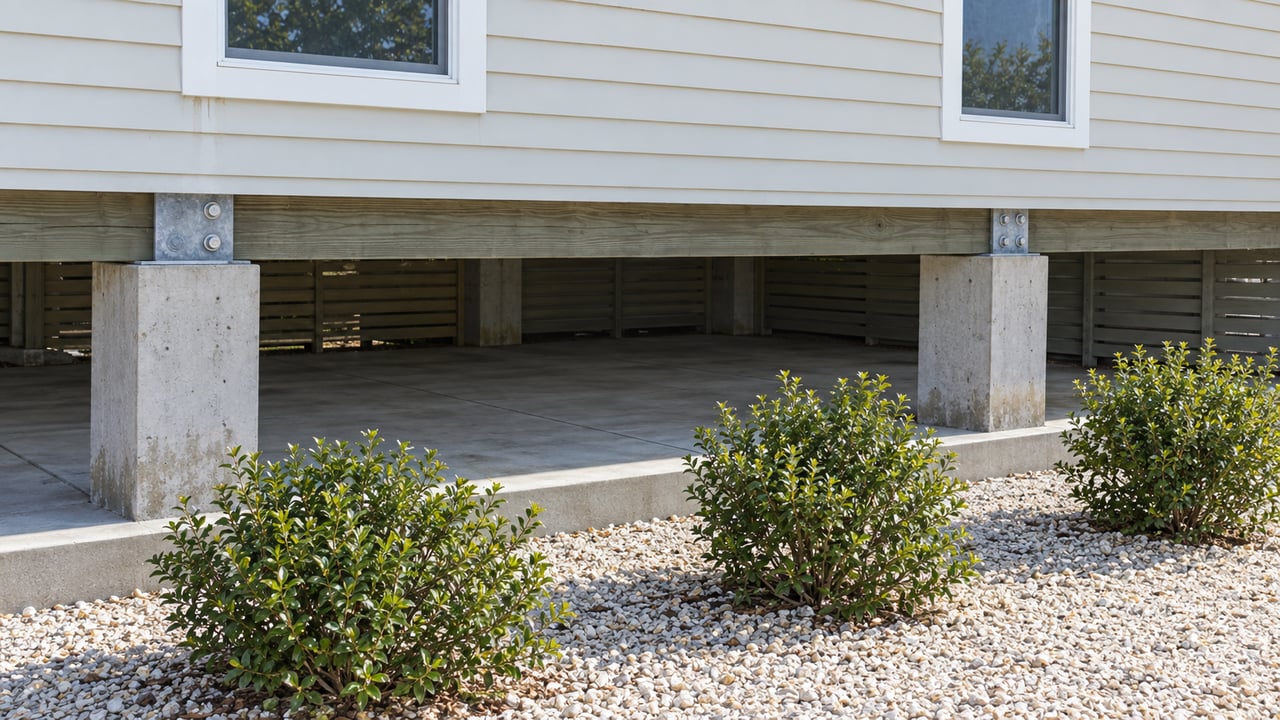
Coastal properties face wind, salt, and humidity. Look for resilient features like impact-rated windows and doors, hurricane straps, corrosion-resistant materials, and a clear hurricane preparation plan. In due diligence, ask for service records on big-ticket items such as elevators, HVAC, roofing, and pool equipment.
Insurance, flood, and coastal codes
The Grand Strand has exposure to hurricanes and storm surge. Many oceanfront buildings sit within mapped flood zones. Budget for flood insurance and wind or hurricane coverage in addition to standard property insurance. Premiums vary by elevation, construction, and claims history.
Before you buy, review FEMA flood maps and request any available elevation certificates for the property. Factor local permitting and coastal construction rules into any renovation plan. Codes and requirements can affect timelines and costs.
Investor lens: rental appeal and seasonality
Who books Garden City properties
Typical guests include families on vacation, retirees seeking a quiet getaway, anglers using the pier and surf, and small groups that prioritize easy beach access. Product features that drive bookings include ocean views, proximity to the pier, multiple bathrooms, full kitchens, outdoor showers, parking, pet policies, and in-unit laundry.
Peak season and pricing patterns
Expect the strongest occupancy and average daily rates in summer. Peak occupancy occurs in summer (Memorial Day through Labor Day). Spring and fall shoulder seasons can perform well, especially around fishing and holiday weekends. Off-season demand is lighter, so plan your cash flow with seasonality in mind.
Management options and operations
You can self-manage to reduce fees or hire a local property manager or rental agency for a more turnkey experience. Some associations regulate on-site third-party management or require on-site services, so check HOA rules carefully.
To lift returns, invest in the guest experience:
- Quality, durable furnishings that photograph well
- Professional listing photos and accurate, appealing descriptions
- Reliable Wi‑Fi, smart locks, and a simple check-in process
- Clear maintenance plans and fast response to guest needs
Oceanfront vs near-beach trade-offs
- Oceanfront: Direct beach access and top-tier views support premium nightly rates and strong demand. Costs are often higher, including insurance, HOA dues, and maintenance due to salt exposure. Noise and foot traffic can be heavier near busy access points.
- Near-beach: A short walk to the ocean typically lowers purchase price and ongoing costs. These homes can be quieter with easier parking, but they may trail direct oceanfront units on rate and occupancy.
Proximity to the pier
Walkability to the pier can lift marketability and bookings. The trade-off is potential for more foot traffic and peak-season noise. Balance the convenience your guests want with the experience you want for personal use.
Buyer checklist: from pre-offer to close
Pre-offer checks
- Confirm property type and rental restrictions in HOA or condo documents.
- Request recent HOA meeting minutes and any reserve studies to spot deferred maintenance and potential assessments.
- Obtain current insurance quotes, including flood and wind or hurricane coverage.
- Review FEMA flood maps and any available elevation certificates.
- Verify short-term rental registration and licensing rules for Horry County and the specific municipality.
Inspection and technical items
- Assess structural and roof condition, especially in older beachfront buildings.
- Review elevator service history for multi-story condos.
- Inspect pool systems, HVAC, and plumbing. Salt air accelerates wear.
- Ask about storm damage history, repairs, and permits for recent work.
Lifestyle and operations
- Confirm parking allocation, guest parking rules, and any permit requirements.
- Ask about golf cart and bicycle storage and charging rules.
- Review trash collection schedules and bulk-item policies to streamline turnovers.
- Map out local service providers, including property managers, maintenance contractors, cleaners, and platforms commonly used in the area.
Financial and investment items
- Request sample P&L statements and actual occupancy history for comparable units from local managers or agents.
- Model cash flow with seasonality, insurance, HOA dues, utilities, taxes, and management fees.
- Confirm any planned capital improvement assessments that could affect near-term cash flow.
Is Garden City the right fit?
If you want a slower-paced oceanfront lifestyle near a lively pier and family-friendly beach, Garden City is a strong option. The community’s seasonality rewards well-staged, well-managed rentals and units within walking distance to the beach or pier. With the right due diligence on HOA health, insurance, and building condition, you can secure a second home that doubles as a reliable rental.
Looking for local guidance on unit selection, HOA nuances, and rental positioning in Garden City? Connect with The Brian Piercy Group for expert buyer representation, investor insight, and polished marketing for sellers.
FAQs
What makes Garden City different from Myrtle Beach?
- Garden City offers a quieter, more residential feel with the Garden City Pier as a focal point, while central Myrtle Beach is more commercial and entertainment-driven.
When is peak rental season in Garden City?
- Peak demand typically runs from Memorial Day through Labor Day, with spring and fall shoulder seasons showing additional strength.
Are golf carts allowed around the beach and pier?
- Golf carts and low-speed vehicles are common, but rules vary by jurisdiction and HOA; confirm registration, street-legal requirements, and storage or charging rules before buying.
What insurance should I budget for with an oceanfront condo?
- Plan for flood insurance and wind or hurricane coverage in addition to standard property insurance; premiums depend on elevation, construction, and claims history.
Do all condo buildings include on-site rental management?
- No. Some offer on-site management while others require self-management or outside firms; HOA rules can limit management options, minimum stays, or the number of rental units.
Is being close to the pier better for rentals?
- Walkability to the pier often boosts bookings and visibility, though it can come with more foot traffic and peak-season noise, so balance convenience with guest and personal preferences.