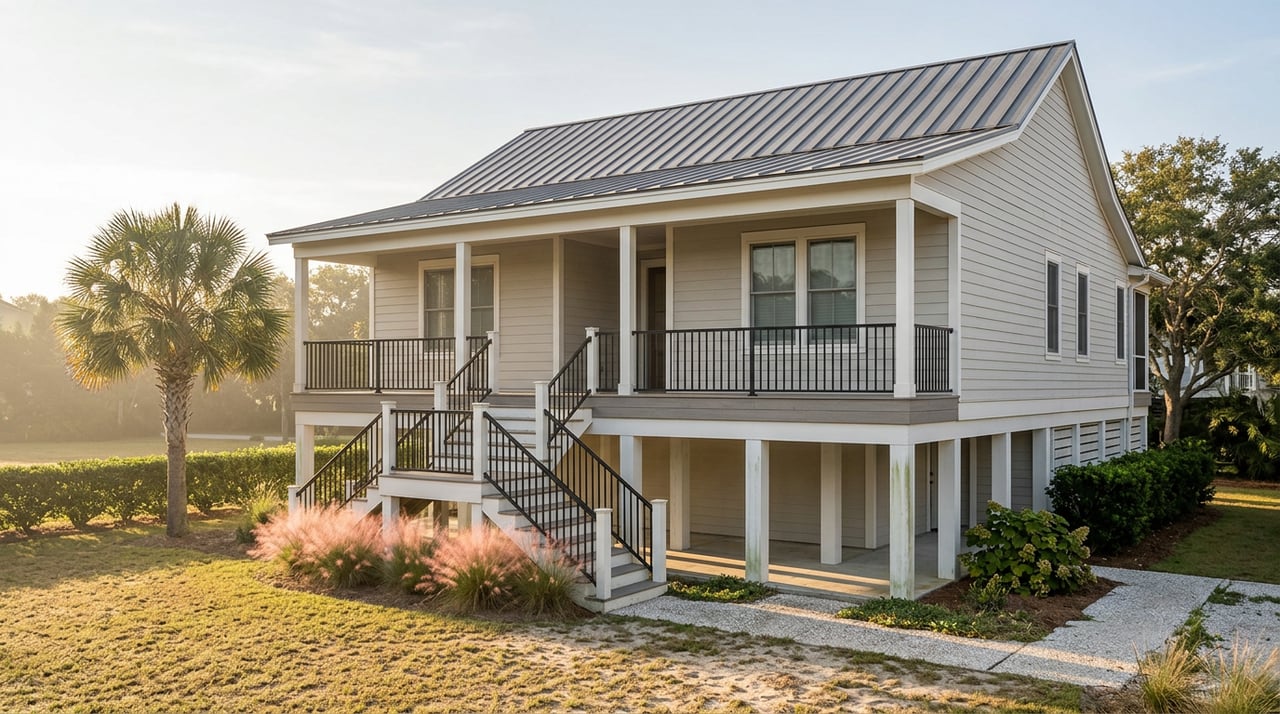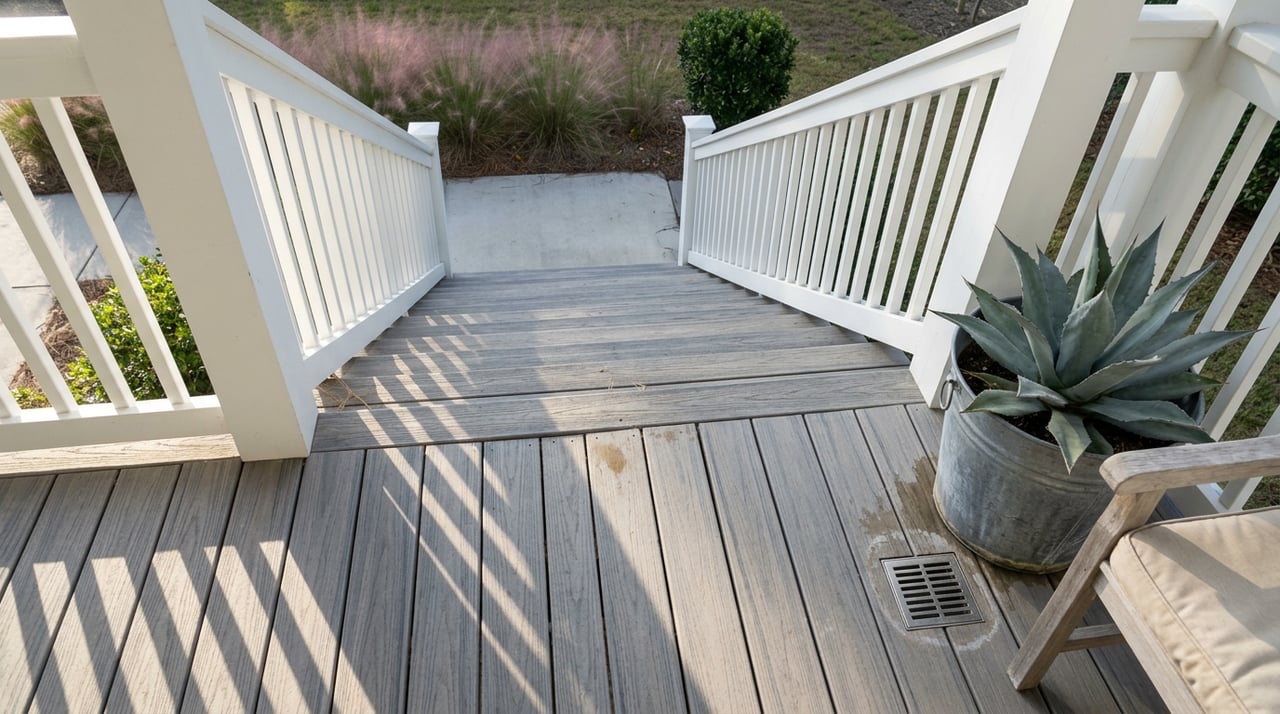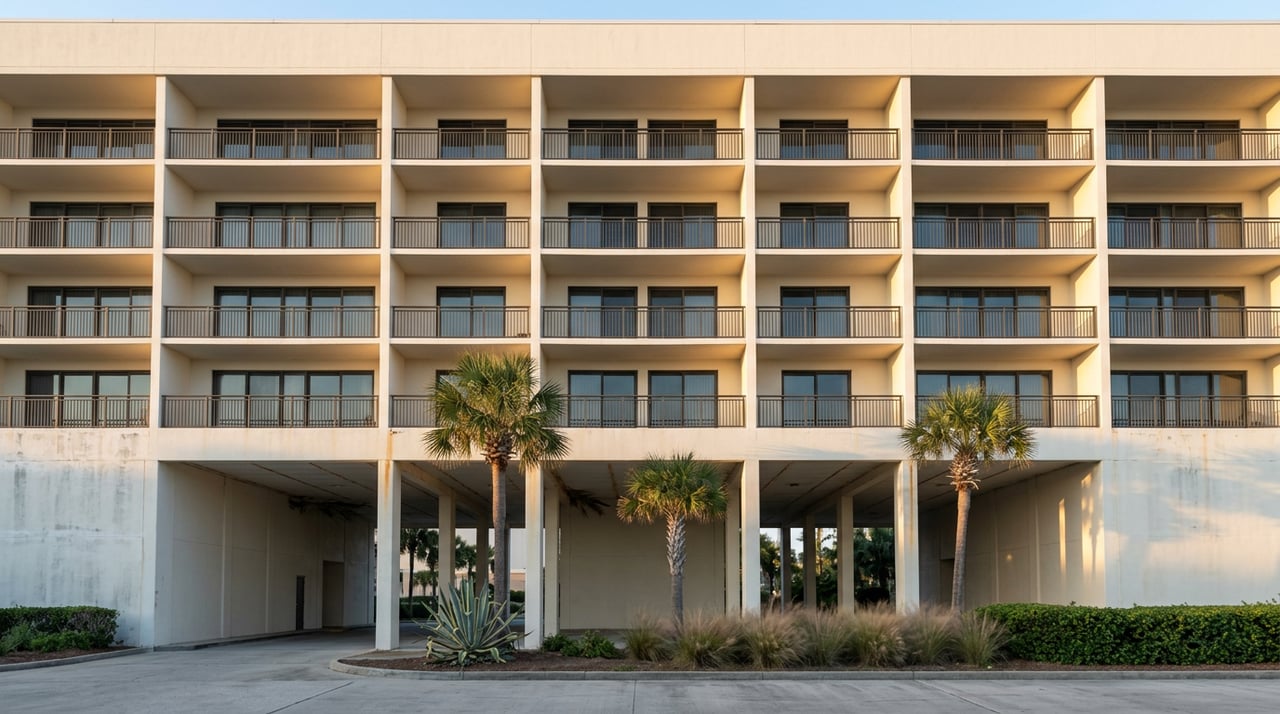
Trying to decide between a brand-new build and a resale home in Conway? You are not alone. Budget, timing, and peace of mind all play a role, and the local factors in Horry County can make the choice feel complex. In this guide, you will see how costs and timelines compare, what to watch in Conway’s neighborhoods, and how to plan your move with fewer surprises. Let’s dive in.
New vs. resale at a glance
- New construction: New systems and energy efficiency, the ability to pick finishes, and warranty protection. Expect a higher upfront price, potential lot premiums, and a longer timeline unless you buy a finished spec home.
- Resale: Often quicker closings, clearer comparable sales, and a lower price per square foot in many cases. You may need immediate repairs or updates, and older systems can mean higher near-term costs.
Total cost comparison in Conway
Purchase price and price per square foot
New construction commonly carries a premium over comparable resale homes. Industry guidance often places the premium around 5 to 25 percent on a per square foot basis, though local conditions can shift that range. Resale homes usually have deeper comparable data, which can support appraisals and pricing confidence.
Upgrades and options
Builders advertise a base price, then offer options for cabinetry, flooring, appliances, and outdoor features. Even modest packages can add thousands to your total. High-end packages can add tens of thousands. With resale homes, owner upgrades are typically baked into the price you negotiate.
Lot premiums and site costs
Premium lots can raise your cost. In Conway, proximity to the Waccamaw River, wooded buffers, cul-de-sacs, or larger homesites can command more. Ask which site-prep items are included, such as grading, drainage, and utility hookups, and which are not.
Closing, soft costs, and assessments
New communities may charge capital contributions, impact or bond fees, or phased assessments, especially in master-planned neighborhoods. Resale closings more often follow standard closing costs with existing assessments disclosed upfront. Always review the fee schedule for the specific subdivision.
Taxes, insurance, and flood coverage
New homes are typically assessed at current replacement value, so your tax assessment may adjust after completion. Insurance can be lower on new builds due to current code compliance. If a property is in a flood zone, your lender may require flood insurance. In Conway’s low-lying areas, this is a key cost to confirm.
Maintenance and operating costs
New homes usually mean lower near-term maintenance because systems and appliances are fresh and built to today’s standards. Resales can be great values, but budget for roof, HVAC, water heater, and potential cosmetic updates based on inspection results.
Timing: how long will it take?
Spec homes
Inventory homes can close in a matter of weeks if they are finished. If a spec is mid-build, plan for a window of zero to six months.
Production or semi-custom builds
A typical timeline from contract to completion runs about four to nine months, depending on builder scheduling and lot availability.
Fully custom homes
Custom timelines often span nine to eighteen months or longer. Design, permitting, and contractor availability drive the pace.
What causes delays most often
- Permitting and inspections with the City of Conway or Horry County can add weeks.
- Weather on the coastal plain can slow exterior work during rainy periods.
- Supply chain and subcontractor availability can stretch timelines, especially for windows, doors, or cabinetry.
- Lot surprises such as soil or floodplain mitigation need extra time.
- Buyer change orders shift schedules and can push completion.
- Financing and closing logistics, including construction loan conversions, can add weeks.
Build a realistic move plan
- Add buffer time of six to twelve weeks beyond a production builder’s estimate. Plan longer for custom.
- Ask for a contract that includes a completion timeline, clear punch-list steps, and a requirement for a Certificate of Occupancy before closing.
- If you are relocating, line up temporary housing or bridge financing, and define remedies if delays exceed a set number of days.
Warranties, inspections, and protections
Typical builder warranties
Most builders offer a structure where workmanship is covered for one year, mechanical systems are covered for two years, and major structural components are covered for ten years. Terms vary, so read the warranty document for coverage and exclusions.
Inspections and punch lists
Order independent inspections even for new construction. Common stages include pre-drywall and pre-close. Attend the final walk-through to create a punch list, and confirm which items must be completed before closing.
Warranty transfer and resale
Ask whether the builder warranty transfers to a future owner and whether transfer fees apply. Transferable coverage can be a useful selling point later.
HOA and community fit in Conway
What HOA fees cover
New master-planned communities may include pools, clubhouses, and landscaping in monthly or quarterly dues. Confirm exactly what the fees cover, including trash, irrigation, security, and reserve funding.
Rules and rental policies
Design standards are common and can protect curb appeal. Review rules on exterior colors, fencing, landscaping, and sheds. In Horry County’s coastal-influenced market, rental policies vary by community. Some limit short-term rentals, while others allow them with registration.
Developer control and amenity timing
In new neighborhoods, the developer often controls the HOA until a set share of homes sell. Review the transition timeline, the reserve budget, and when amenities will be completed.
Financing, appraisal, and rate risk
Loan types at a glance
- Construction-to-permanent loans are short-term during the build, then convert to a mortgage. These often require larger down payments.
- FHA and VA construction options exist but have specific requirements.
- Conventional loans are common for resale and for completed spec homes.
Appraisals and comps
Appraisers rely on comparable sales. New builds sometimes face appraisal gaps when nearby sales are limited. Resale homes typically have deeper comp sets, which can support appraised value.
Interest-rate risk strategies
Longer build times expose you to rate changes before you close. Consider rate-lock strategies for your permanent loan and ask the builder about any price-escalation clauses.
Conway-specific location checks
Flood risk and elevation
Conway’s proximity to the Waccamaw River makes flood evaluation essential. Review flood maps and ask for elevation certificates when available. Get insurance quotes early if the lot is in a mapped flood zone.
Commute corridors and traffic
If you commute to Myrtle Beach or the Grand Strand, measure real-world drive times along US-501, SC-905, US-701, and connector roads. Test the route during peak hours and in tourist season to see the true timing.
Schools, utilities, and septic vs. sewer
Attendance zones influence buyer decisions. Confirm water and sewer service for the lot or neighborhood. Rural or fringe areas may require septic systems and added site planning.
Builder landscape and reputation
The market includes national production builders, regional firms, and local custom builders. Production builders can offer faster delivery with set packages. Local builders often provide more customization and longer timelines. Review permit history, warranty programs, and recent sales to gauge track record.
What to ask before you decide
For any new build
- What warranties are included and do they transfer?
- What is the estimated completion date and what happens if the home is late?
- What is included in the base price and what are the option costs?
- How are change orders priced and scheduled?
- Are there planned assessments or developer fees?
- Which energy-efficiency features are standard?
For any resale property
- What is the age and service history of roof, HVAC, water heater, and appliances?
- Were permits pulled for recent renovations?
- What are typical utility costs and recent property tax history?
- Is there any known flood history or insurance claim history?
Your next step
Choosing between new and resale in Conway comes down to your budget, move date, tolerance for construction risk, and the local factors that matter most to you. If you want help comparing real sold data, estimating true all-in costs, and pressure-testing your timeline, let us be your guide. Connect with The Brian Piercy Group to make a confident plan that fits your goals.
FAQs
How do new-build costs in Conway compare to resale?
- New construction often carries a per square foot premium due to new systems and finishes. Always compare total costs, including options, lot premiums, HOA fees, and insurance.
How long does a Conway new build usually take?
- Spec homes can be ready in weeks or a few months, production builds often take about four to nine months, and custom homes can run nine to eighteen months or more.
What warranties do Conway builders typically provide?
- Many offer one year on workmanship, two years on systems, and ten years on structural items. Read the specific warranty for coverage details and exclusions.
What HOA questions should I ask for new communities?
- Confirm fee amounts, what they cover, rental rules, design standards, developer control timelines, reserve funding, and the schedule for amenity completion.
Should I worry about flood risk when buying in Conway?
- Yes, especially near the Waccamaw River or in low-lying areas. Review flood maps, verify elevation, and get homeowner and flood insurance quotes before finalizing your purchase.