Buying a place near the water should feel exciting, not confusing. If you are eyeing Murrells Inlet, you will quickly find that coastal insurance works differently than it does inland. The right mix of policies protects your investment and helps you budget with confidence. This guide breaks down what you need to know about flood, wind, and condo coverage in Georgetown County so you can make smart choices before you close. Let’s dive in.
The coastal insurance puzzle
Coastal homes often need more than one policy. A standard homeowners policy usually does not cover flood, and wind coverage may carry special deductibles. Condos add another layer with association master policies that interact with your personal coverage.
Your goal is simple. Match the right types of coverage to the property you are buying and understand where deductibles and responsibilities fall. That way, there are no surprises when a storm hits or a claim is filed.
What each policy covers
Homeowners insurance (HO-3)
A homeowners policy typically covers the structure, personal property, liability, and additional living expenses. Along the coast, wind and hurricane coverage is often included but may carry a separate, higher deductible. Ask how wind is covered and how the deductible applies to your property.
Condo unit coverage (HO-6)
For condos, an HO-6 policy covers your personal property, interior finishes, and personal liability. It can also include “loss assessment” coverage that helps pay your share if the association passes along a master policy deductible or an uncovered loss. Your limits should reflect the value of your finishes and improvements.
Association master policies
Your HOA or condo association buys a master policy that covers the building and common areas. The master policy type determines what you must insure inside your unit. Deductibles for hurricane claims can be large and may be assessed to owners after a storm.
Flood insurance (NFIP or private)
Homeowners and HO-6 policies do not cover flood. Flood insurance is purchased separately through the National Flood Insurance Program or private carriers. Premiums depend on your flood zone, elevation relative to the Base Flood Elevation, building age, and mitigation features.
Wind and hurricane deductibles
Many coastal policies use a percentage deductible for hurricane or wind damage. For example, a 2% hurricane deductible on a $500,000 dwelling limit equals $10,000 out of pocket for covered hurricane wind damage. Some policies use a flat-dollar deductible instead. Always confirm which structure applies.
Umbrella and key add-ons
An umbrella policy can increase your liability limits, which is helpful for higher-value assets or rental activity. Consider ordinance or law coverage to handle code upgrades after a loss. For rental properties, loss of rental income coverage can be important. Ask about sewer backup endorsements, which are often excluded from base policies.
Condos in Murrells Inlet
Condo coverage hinges on how the master policy is written. Understanding that structure helps you set the right HO-6 limits and avoid gaps.
Master policy types to know
- All-in: The association covers most interior elements. You still carry HO-6 for personal property, liability, and any betterments you have installed.
- Bare walls-in: The association covers the exterior and building systems. You cover drywall-in finishes, appliances, and improvements with your HO-6.
- Walls-out: The association covers the exterior shell and common areas only. You insure more of the unit’s interior structure.
- Single entity or unit owner responsibility: The association covers only common areas. Owners insure their entire unit structure and contents.
Loss assessments and deductibles
Coastal master policies often have percentage hurricane deductibles. After a covered event, the association may pass part of that deductible to unit owners. An HO-6 policy with loss assessment coverage can help with these costs. Confirm your HOA’s deductible size and how assessments are allocated.
What to request from the HOA
Ask for the master policy declarations, coverage limits, and deductible details. Review bylaws and master deed language that define responsibilities for interiors and common elements. Request recent claims history, meeting minutes that mention past assessments, and the reserve study to evaluate financial readiness.
Local premium drivers in Murrells Inlet
Flood zones and elevation
Many coastal addresses here are mapped in FEMA Special Flood Hazard Areas such as AE or VE. VE zones carry higher risk due to wave action, which can affect flood premiums. Elevation relative to the Base Flood Elevation is one of the biggest pricing factors. An Elevation Certificate helps you get accurate quotes.
Wind exposure and deductibles
Policies in Georgetown County commonly use hurricane or wind deductibles. Know whether the deductible is a percentage or a flat amount and whether it applies per building or per occurrence. This detail is critical for both single-family homes and condos.
Building age and mitigation credits
Newer or retrofitted buildings that meet recent coastal codes often qualify for credits. Features like hip roofs, hurricane straps, impact-resistant openings, and secondary water resistance can reduce wind premiums. Keep documentation of upgrades to secure potential discounts.
Foundation type and height
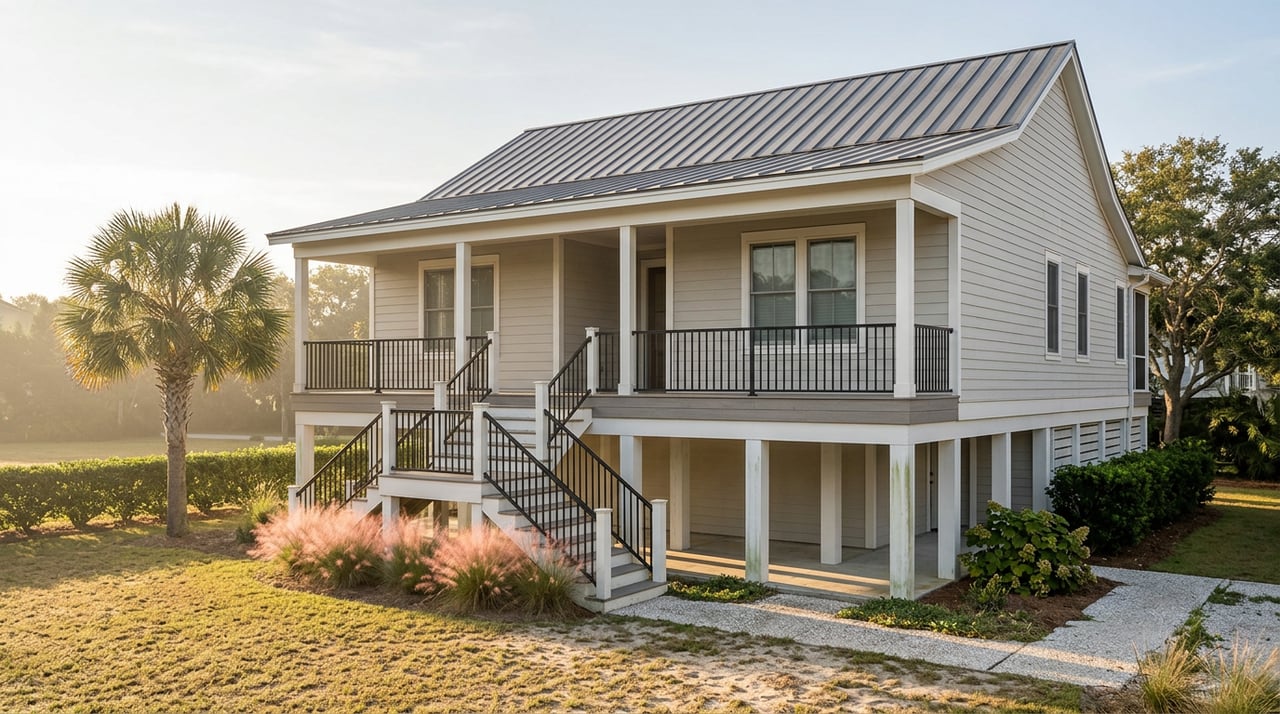
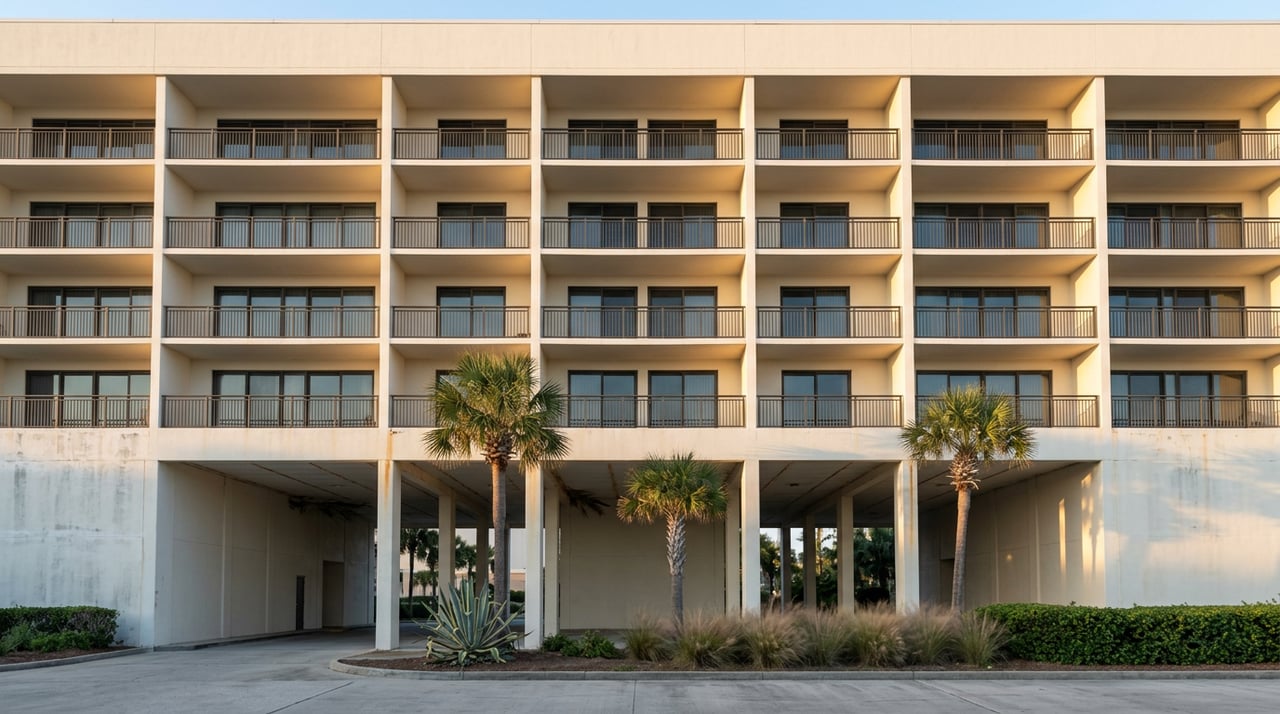
Elevated homes on pilings with living space above the Base Flood Elevation can see lower flood premiums than slab-on-grade homes at or below BFE. Many condo buildings place garages on the ground floor, with living areas above. Insurers account for these designs in pricing.
Insurer availability and residual options
Some insurers manage how much risk they take on in coastal ZIP codes. If private capacity is tight, you may see higher pricing or different terms. Where necessary, buyers sometimes use residual market options that can cost more or carry unique conditions.
Community programs and claims history
Communities that participate in the National Flood Insurance Program’s Community Rating System may see discounted flood premiums. Association claims history also matters. Recent or frequent claims can affect pricing and renewals.
How to budget wisely
Budget for more than one policy. If you buy a condo, expect the HOA to carry the master policy and you to carry an HO-6, plus separate flood if required. For single-family homes, expect a homeowners policy, a flood policy if needed, and possibly an umbrella.
Plan for assessments and deductibles. Ask about the size of hurricane deductibles for both your personal policy and the master policy. Use a simple example to pressure test your budget. A 2% hurricane deductible on a $500,000 building limit equals $10,000 out of pocket for a covered event.
Expect variability year to year. Premiums can change after big storms or claims. Associations with strong reserves and clear maintenance plans may reduce the likelihood of special assessments.
Buyer checklist and next steps
Documents to request before you buy
- Current FEMA FIRM panel and the property’s flood zone designation
- Elevation Certificate, if available
- HOA master policy declarations with limits and all deductibles
- HOA claims history, minutes on any past assessments, and reserve study
- Building age, roof age, and mitigation features list
Questions to ask insurers or brokers
- How is the wind or hurricane deductible applied and calculated?
- Will one carrier write both wind and flood or do I need separate policies?
- Are private flood options acceptable to my lender and how do they compare to NFIP?
- For condos, how are claims split between the master policy and HO-6?
- What wind mitigation credits are available and what proof is required?
Ways to reduce risk and cost
- Order an Elevation Certificate if none exists. Favorable elevation can lower NFIP premiums.
- Pursue wind mitigation improvements and keep documentation for credits.
- For condos, advocate for realistic reserves, adequate limits, and clear deductible policies.
- Consider an umbrella policy if you plan to rent or host frequent guests.
Lender requirements at closing
If the property sits in a Special Flood Hazard Area and you have a mortgage, your lender will require flood insurance. Lenders also need proof of adequate hazard coverage and must be named as loss payee. Condo buyers should confirm that the master policy satisfies lender requirements and whether any additional unit-level coverage is needed.
Work with a local guide
Insurance is one piece of a smooth coastal purchase. You also need the right property fit, a clean set of HOA documents, and a plan for long-term ownership. Our team has helped thousands of buyers and sellers across the Grand Strand and we know how to navigate resort condos and coastal homes with care.
If you are weighing options in Murrells Inlet, we will help you request the right documents, coordinate with your lender and HOA, and keep your timeline on track. Ready to move forward with clarity and confidence? Connect with The Brian Piercy Group to start your coastal game plan.
FAQs
What insurance do Murrells Inlet condo buyers need?
- Most buyers carry an HO-6 policy for interior finishes, personal property, liability, and loss assessment, plus separate flood insurance if required by zone or lender, alongside the HOA’s master policy.
How do hurricane deductibles work on the coast?
- Many policies use a percentage deductible for hurricane wind damage applied to the building limit. For example, 2% of a $500,000 limit equals a $10,000 deductible for covered hurricane losses.
Do I need flood insurance if my lender does not require it?
- Lenders require flood insurance in Special Flood Hazard Areas, but many buyers outside those zones still choose flood coverage to reduce risk since standard homeowners and HO-6 policies do not cover flood.
What is an Elevation Certificate and why does it matter?
- An Elevation Certificate documents the building’s elevation relative to Base Flood Elevation and helps insurers price flood policies accurately. Favorable elevation can reduce premiums.
How does the HOA master policy affect my closing costs?
- The master policy is typically paid by the association through dues, but you should budget for your HO-6 and flood policies. Also confirm the HOA’s hurricane deductible, since assessments can increase owner costs after a storm.